





When most people think about UAE real estate, the conversation tends to gravitate toward luxury apartments, waterfront villas, and off-plan residential launches. But behind that residential story, a parallel market has been quietly building momentum — one that many sophisticated investors argue offers stronger fundamentals, more predictable income, and greater long-term resilience. That market is commercial real estate, and in 2026 it is one of the most compelling investment conversations happening in the UAE.
The numbers are hard to ignore. According to market research, the UAE commercial real estate sector was valued at USD 82 billion in 2024 and is projected to reach USD 121.68 billion by 2032 — a trajectory driven by economic diversification, population growth, and the UAE’s continued rise as a global business destination. Dubai’s commercial rental yield currently stands at 7.6 percent, according to Markaz research cited by Arab News — a figure that comfortably outperforms many comparable global markets. For investors who understand the sector, the opportunity is significant.
Here is a comprehensive breakdown of the commercial real estate landscape in the UAE — the asset classes, the locations, and the trends shaping the market in 2026.
1. Office Space — Premium Demand, Premium Returns
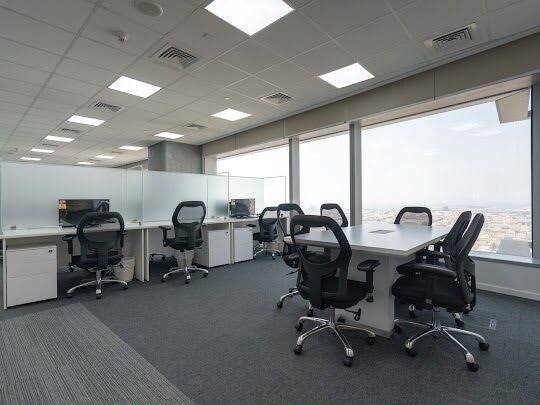
The office market is experiencing one of its strongest periods on record. With multinational companies establishing regional headquarters in the UAE, demand for Grade A office spaces is increasing, and prime business districts such as the Dubai International Financial Centre and Downtown Dubai are witnessing strong occupancy rates.
Grade A office space, concentrated in hubs like DIFC and ADGM, is seeing occupancy rates that consistently hover at 95 percent. That level of occupancy in premium locations is a powerful signal for investors — it speaks to genuine, sustained demand from financially sound tenants on long-term leases.
Business Bay remains the prime location for commercial real estate investments in Dubai, and modern tenants are no longer looking for simple floor space — they are seeking smart buildings that offer energy efficiency and high-speed digital infrastructure. The rising demand for flexible office spaces, driven by hybrid work models, is reshaping what tenants want and what developers must deliver. Investors who understand this shift and position themselves in quality, tech-ready buildings are best placed to benefit.
2. Retail Property — Community-Focused and Resilient
Dubai’s retail sector remains one of the cornerstones of its commercial real estate landscape. For retail spaces, choosing popular tourist areas or shopping hubs provides lucrative opportunities, and understanding broader economic conditions in Dubai and the UAE is essential, as a growing economy often leads to higher demand for commercial spaces, pushing rental yields up.
The retail story in 2026 has evolved beyond the mega-mall model. Community-focused retail units — often described as strip malls — that serve the UAE’s growing residential population are increasingly sought after by investors. As residential communities expand in areas like Mohammed Bin Zayed City, Al Shamkha, and the Northern Emirates, well-positioned community retail assets in those zones are attracting growing investor interest.
Tourism remains a powerful driver of retail demand. The UAE welcomed over 23 million visitors in 2024 and continues to invest heavily in tourism infrastructure — a strong tailwind for retail assets in destination locations.
3. Industrial & Logistics — The Sector Outperforming All Expectations
If there is a single commercial real estate category that has genuinely surprised even seasoned investors in recent years, it is industrial and logistics. Warehouse rates in Dubai South rose above USD 12 per square metre monthly — a record for the sub-market — and Aldar’s USD 272 million logistics programme and KEZAD’s land grants illustrate the level of institutional confidence in this segment.
With the UAE strengthening its position as a global trade hub, logistics and warehouse facilities are in high demand. Strategic areas such as Jebel Ali Free Zone play a critical role in supporting regional and international supply chains, and growth in e-commerce has also increased the need for modern fulfilment and distribution facilities.
Unlike office units, warehouses often have longer lease terms of five to ten years and lower management intensity — making them an ideal choice for institutional investors and family offices looking for stable, long-term cash flow. As the UAE pushes forward with its Operation 300bn industrial strategy, demand for high-quality production and logistics space is expected to remain firmly on an upward trajectory.
Geographic opportunity is also widening beyond Dubai, especially in Ras Al Khaimah, where industrial corridors and competitive land values offer attractive yields of 6.5 percent.
4. Free Zone vs Mainland — Choosing the Right Structure
One of the most important decisions for commercial property investors in the UAE is understanding the distinction between free zone and mainland assets. Mainland property is best suited for retail, government contracting, and localised services, while free zone assets are ideal for regional headquarters, logistics operations, and specialised consultancy businesses.
Free zones such as JAFZA, KIZAD, and DIFC offer 100 percent foreign ownership, zero customs duties on imports and exports, and full profit repatriation — making them highly attractive for international businesses seeking a UAE base. This built-in demand from global companies creates a resilient commercial tenant base that supports long-term investment performance.
5. Sustainability — No Longer Optional
Environmental standards have reached a tipping point in the UAE commercial real estate market. Green buildings with LEED Gold or Platinum certification are now the market standard, and the 2026 market sees massive demand for specialised spaces in the biotech and AI sectors.
Developers are incorporating energy-efficient designs, green building certifications, and smart technologies to reduce environmental impact, and projects aligned with initiatives like Dubai Sustainable City are gaining significant attention from investors who prioritise environmentally responsible properties.
For investors, this trend carries a clear practical implication — assets that meet modern sustainability standards will attract better tenants, command higher rents, and hold value more effectively over the long term than older, less efficient stock.
6. Abu Dhabi — A Commercial Market Coming Into Its Own
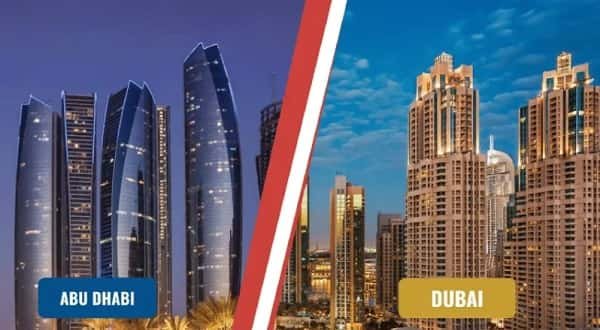
While Dubai dominates the commercial real estate conversation, Abu Dhabi deserves equal attention. The capital’s office market is anchored by the Abu Dhabi Global Market in Al Maryah Island — the emirate’s international financial centre — which has recorded exceptional occupancy and continued expansion. Major government-linked entities, international banks, and professional services firms are all active tenants, creating a stable, high-quality occupancy base.
Abu Dhabi’s industrial sector, anchored by KIZAD (Khalifa Industrial Zone Abu Dhabi) and Musaffah, continues to grow in line with the emirate’s economic diversification ambitions. For investors who value stability, long-term planning, and government-backed infrastructure, Abu Dhabi’s commercial market offers a compelling and often underappreciated opportunity.
Final Thoughts
The UAE’s commercial real estate market in 2026 is not speculative — it is structural. The current market is more stable and demand-led than earlier cycles. Office buildings, logistics assets, and well-planned retail spaces are considered the safest bets, and demand is strongest for properties that meet modern business needs.
For investors willing to look beyond the residential headline, commercial real estate in the UAE offers yield, security, and a long-term growth story that is backed by genuine economic fundamentals. The infrastructure is world-class. The regulatory environment is transparent. The demand is real.
The opportunity is here. The question is whether you are positioned to take it.
Frequently Asked Questions (FAQs)
Q1. What types of commercial property can I invest in across the UAE?
The main categories are office spaces, retail units, industrial and warehouse facilities, and mixed-use developments. Each offers different risk profiles and returns — offices and retail provide strong rental income in prime locations, while industrial assets offer longer leases and lower management demands.
Q2. What rental yields can I expect from commercial property in the UAE?
Dubai’s commercial rental yield currently stands at approximately 7.6 percent overall, with Grade A offices in DIFC and ADGM achieving near-full occupancy. Industrial and logistics assets in free zones such as JAFZA and KIZAD typically offer stable long-term returns supported by five to ten year lease structures.
Q3. Is it better to invest in free zone or mainland commercial property?
It depends on your investment objective. Free zone assets attract international businesses with 100 percent foreign ownership and tax benefits, making them strong for logistics and corporate tenants. Mainland properties are better suited for retail, hospitality, and businesses serving the local market directly.
Q4. Is the UAE commercial real estate market safe for foreign investors?
Yes. The UAE offers transparent regulations, strong legal protections, freehold ownership in designated areas, and a track record of political and economic stability that makes it one of the most secure commercial real estate markets in the world. Foreign investors can own commercial property outright in free zones and freehold areas.
Q5. Which emirate is best for commercial real estate investment?
Dubai leads in volume, variety, and global connectivity, making it the top choice for most commercial investors. Abu Dhabi offers stability and government-backed growth, particularly in finance and industry. Ras Al Khaimah is emerging as a competitive industrial destination with attractive land values and strong logistics infrastructure.
Q6. How is sustainability affecting commercial property values in the UAE?
Significantly. Green-certified buildings with LEED Gold or Platinum ratings now command higher rents and better tenant quality than older stock. Sustainability is no longer a differentiator — it is increasingly a baseline requirement for major corporate tenants, and investors holding non-compliant assets may face rising vacancy risk over time.