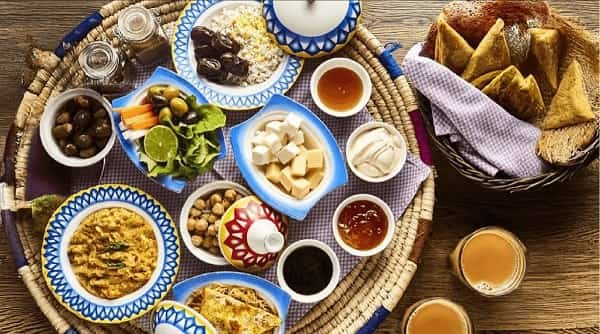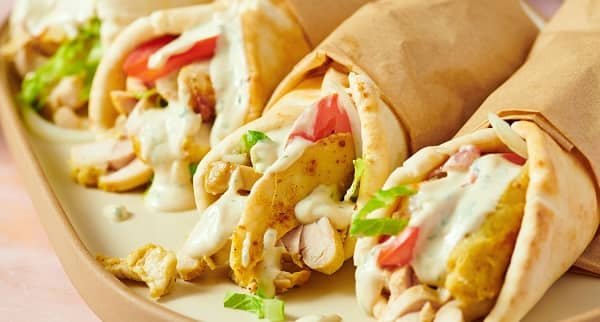





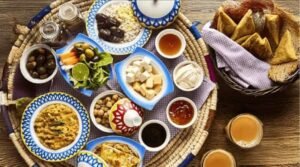

The food of the United Arab Emirates tells a story far older than the country’s modern skyline. Before the rise of luxury hotels and global restaurants, Emirati families depended on the desert, sea, and trade routes for survival. Every dish carried meaning. Meals were shaped by pearl diving traditions, Bedouin life, fishing culture, and the hospitality values deeply rooted in Emirati society.
Today, traditional Emirati cuisine remains one of the strongest symbols of national identity. From fragrant rice dishes to sweet desserts served during celebrations, these foods connect generations and preserve the history of the Emirates in a rapidly modernizing world.
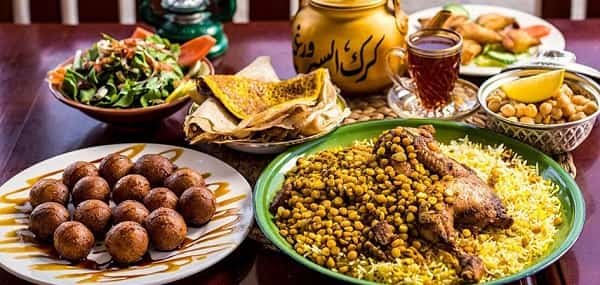
Al Harees: The Dish of Patience and Unity
Al Harees is one of the oldest and most respected dishes in Emirati cuisine. Made with wheat, meat, water, and a small amount of salt, the dish may sound simple, but its preparation takes hours. The ingredients are slow-cooked until they become smooth and creamy, creating a comforting meal often served during Ramadan, weddings, and religious gatherings.
The cultural importance of Al Harees goes beyond taste. Traditionally, large pots were prepared for entire communities, especially during the holy month of Ramadan. Families shared the dish with neighbors and those in need, reflecting the Emirati values of generosity and togetherness.
In many homes across Abu Dhabi, Dubai, Sharjah, and other emirates, Al Harees is still prepared during Eid celebrations as a reminder of family traditions passed down through generations.
Machboos: The Heart of Emirati Hospitality
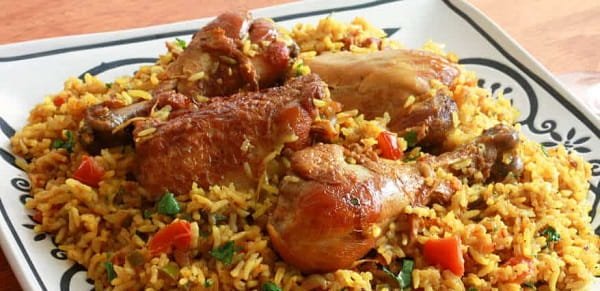
Machboos is perhaps the most recognized Emirati rice dish. Prepared with fragrant basmati rice, spices, dried lemon, onions, and meat or seafood, it is often compared to biryani but has its own distinct Emirati identity.
The secret of Machboos lies in its spice blend. Cinnamon, cardamom, cloves, turmeric, and black pepper create rich layers of flavor without overpowering the dish. Chicken Machboos is common in family homes, while seafood versions reflect the UAE’s historical connection to the Arabian Gulf.
Culturally, Machboos represents hospitality. In Emirati culture, guests are treated with great honor, and serving a generous platter of Machboos is considered a sign of respect and warmth. During national holidays, family gatherings, and social events, the dish often becomes the centerpiece of the dining table.
Luqaimat: Sweetness of Celebration
No discussion of Emirati food is complete without Luqaimat. These small golden dumplings are crispy outside and soft inside, usually drizzled with date syrup or honey and sprinkled with sesame seeds.
Luqaimat is especially popular during Ramadan evenings after Iftar. The dessert carries strong emotional value for many Emiratis because it reminds them of childhood, family gatherings, and festive nights spent together.
The simplicity of Luqaimat reflects the traditional Emirati way of using basic ingredients to create something memorable. Even today, luxury hotels and modern cafés across the UAE continue to serve the dessert because it remains deeply connected to local identity.
Thareed: A Symbol of Bedouin Heritage
Thareed is another traditional dish with strong historical roots. It consists of thin Emirati bread soaked in a flavorful stew made with meat and vegetables. The bread absorbs the rich broth, creating a filling and nourishing meal.
Historically, Thareed was practical for desert life because it used ingredients that were available and easy to prepare for traveling Bedouin communities. It became popular due to its ability to feed large families with simple resources.
Today, Thareed continues to hold religious and cultural significance, particularly during Ramadan. Many Emiratis consider it comfort food connected to faith, tradition, and family values.
Balaleet: A Unique Emirati Breakfast Tradition
Balaleet is one of the most unique dishes in Emirati cuisine because it combines sweet and savory flavors in a single plate. Sweet vermicelli noodles flavored with sugar, saffron, cardamom, and rose water are topped with a thin egg omelet.
This dish is commonly served for breakfast during Eid mornings and family celebrations. Balaleet reflects the UAE’s historical trade links with India, Persia, and other parts of Asia, where spices and sweet flavors influenced local cooking styles.
The dish represents the multicultural history of the Emirates while still maintaining a distinctly Emirati character.
Madrooba: Comfort Food from the Coast
Madrooba is a creamy dish made from fish, spices, and overcooked rice mashed together until smooth. Popular in coastal areas, it reflects the importance of fishing in Emirati history before oil transformed the economy.
For generations, fishing communities along the Arabian Gulf relied on seafood as a major food source. Madrooba became a practical and nourishing meal that could be prepared using locally caught fish.
Today, the dish is often associated with traditional family cooking and is valued for its nostalgic connection to old Emirati coastal life.
Regag Bread and Traditional Emirati Tea Culture
Regag is a thin crispy bread commonly prepared fresh on a hot surface. It can be eaten plain or filled with ingredients such as cheese, eggs, or fish sauce. Though simple, Regag remains an important part of Emirati daily life.
The bread is often served with karak tea or Arabic coffee during social visits. In Emirati culture, offering coffee and snacks to guests is a deeply respected tradition. Hospitality is considered one of the most important social values in the UAE, and food plays a central role in expressing it.
Traditional gatherings in Emirati homes still revolve around sharing tea, coffee, dates, and freshly made bread while discussing family, community, and daily life.
Why Emirati Cuisine Matters Today
Modern UAE cities are filled with international restaurants and global food trends, but traditional Emirati dishes continue to hold special importance. Schools, cultural festivals, museums, and heritage villages actively promote local cuisine to ensure younger generations stay connected to their roots.
Food has become a way for Emiratis to preserve identity in a fast-changing world. Many traditional recipes are passed from mothers and grandmothers to younger family members, keeping cultural memory alive through cooking.
Tourists visiting the UAE are also becoming more interested in authentic Emirati dining experiences. Restaurants focused on heritage cuisine are helping introduce international visitors to the country’s traditions beyond luxury and skyscrapers.
FAQs About Popular Emirati Dishes
Q: What is the national dish of the UAE?
A: Many people consider Machboos to be the national dish of the UAE. It is a flavorful rice dish cooked with spices, dried lemon, and meat or seafood, and is commonly served during family gatherings and celebrations.
Q: Why is Emirati food important to UAE culture?
A: Traditional Emirati food reflects the country’s history, desert lifestyle, fishing heritage, and values of hospitality. Many dishes have been passed down through generations and are closely connected to Ramadan, Eid, weddings, and social gatherings.
Q: What spices are commonly used in Emirati cuisine?
A: Emirati cooking often uses cardamom, saffron, turmeric, cinnamon, cloves, black pepper, and dried lemon. These spices give the food its rich aroma and distinctive Gulf flavor.
Q: Is Emirati food spicy?
A: Most Emirati dishes are flavorful rather than very spicy. The cuisine focuses more on aromatic spices and balanced flavors instead of extreme heat.
Q: What is the most popular Emirati dessert?
A: Luqaimat is one of the most loved Emirati desserts. These crispy sweet dumplings are usually topped with date syrup or honey and are especially popular during Ramadan.
Q: Why are dates important in Emirati cuisine?
A: Dates have been a major source of nutrition in the Arabian desert for centuries. They are deeply connected to Emirati hospitality and are commonly served with Arabic coffee to welcome guests.
Q: What food is commonly eaten during Ramadan in the UAE?
A: During Ramadan, dishes like Al Harees, Thareed, Luqaimat, soups, and dates are commonly served during Iftar. These meals are valued for their comforting and nourishing qualities after a day of fasting.
Q: Can tourists easily find traditional Emirati food in the UAE?
A: Yes. Many heritage restaurants and cultural cafés across Dubai, Abu Dhabi, and Sharjah serve authentic Emirati dishes. Food festivals and traditional markets also help visitors experience local cuisine and culture.
Final Thoughts
Emirati cuisine is much more than a collection of traditional recipes. It reflects survival in the desert, trade across seas, religious values, and the deep importance of family and hospitality. Dishes like Al Harees, Machboos, Luqaimat, and Thareed are not only popular because of their flavor but because they carry stories of the Emirates’ past.
As the UAE continues to grow into a global destination, these traditional foods remain powerful symbols of heritage and cultural pride. Every shared meal becomes a reminder that while cities may modernize, the spirit of Emirati tradition still lives strongly around the dining table.