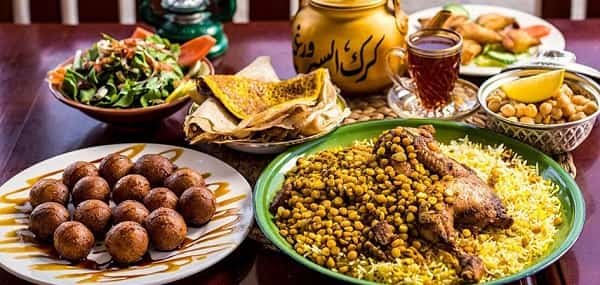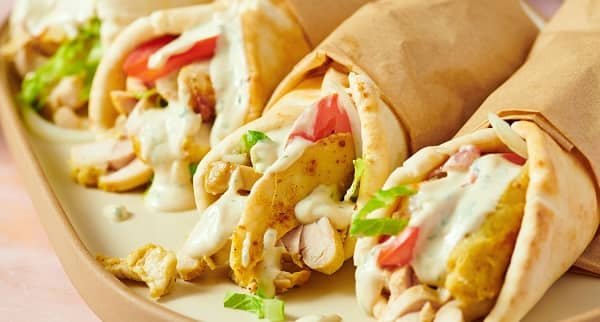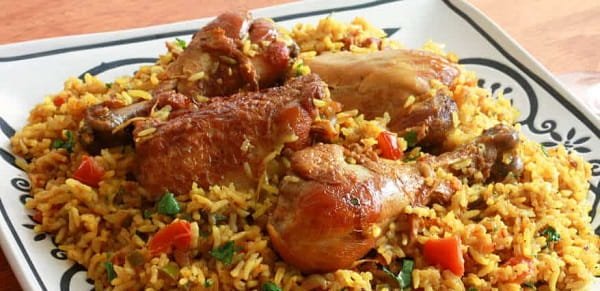




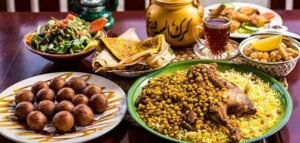

Breakfast in the United Arab Emirates is more than just the first meal of the day. It reflects hospitality, family traditions, and the country’s rich cultural history. Long before modern cafés and international brunch menus became common in Dubai and Abu Dhabi, Emirati families started their mornings with simple but nourishing meals influenced by desert life, fishing communities, and centuries of trade with Persia, India, and East Africa.
Even today, many traditional Emirati breakfast dishes remain deeply connected to family routines and cultural identity. Some are prepared daily at home, while others are especially popular during weekends, Ramadan mornings, or Eid celebrations. From sweet vermicelli dishes to fresh breads and rich date-based foods, Emirati breakfasts offer a unique mix of flavors that continue to survive alongside modern lifestyles.
Balaleet: The Sweet and Savory Morning Favorite
Balaleet is one of the most iconic Emirati breakfast dishes. At first glance, it surprises many visitors because it combines sweet and savory flavors on the same plate. Thin vermicelli noodles are cooked with sugar, saffron, cardamom, and rose water, then topped with a thin egg omelet.
The dish reflects the UAE’s historic spice trade connections with India and Persia. Saffron and cardamom have long been important ingredients in Gulf cooking, and Balaleet became a breakfast favorite because it is filling, aromatic, and easy to prepare for families.
Many Emiratis still enjoy Balaleet during Eid mornings and special family gatherings. Its comforting taste often carries strong childhood memories and remains one of the most loved traditional breakfast meals across the Emirates.
Regag Bread: The Everyday Emirati Bread
Regag is a thin, crispy bread similar to a crepe but much lighter and crunchier. It is made fresh on a hot flat surface and is commonly eaten during breakfast with cheese, eggs, honey, or fish sauce.
For generations, Regag was considered practical for desert life because it required simple ingredients and could be prepared quickly. Today, it remains a staple in many Emirati homes and traditional cafés.
Street food stalls and heritage restaurants across Dubai, Sharjah, and Abu Dhabi often prepare Regag in front of customers, preserving an old cooking tradition that has been passed down through generations.
Chebab: Emirati Pancakes with Local Flavors
Chebab is often described as the Emirati version of pancakes, but its flavor is very different from Western breakfast pancakes. These soft, slightly chewy pancakes are flavored with saffron and cardamom and are usually served with date syrup, honey, or cream cheese.
Chebab highlights the importance of dates and spices in Emirati cuisine. Dates have historically been one of the most important foods in the Arabian Peninsula because they provided energy and nutrition in harsh desert conditions.
Today, Chebab remains popular during family breakfasts, especially on weekends when relatives gather together for long morning meals.
Khameer Bread: Soft Bread with a Rich Aroma
Khameer is another traditional Emirati bread known for its soft texture and slightly sweet taste. The dough is flavored with saffron, cardamom, and sometimes turmeric, giving it a warm golden color.
Traditionally, Khameer bread is served hot with cheese, eggs, honey, or date syrup alongside Arabic coffee or karak tea. The bread reflects the Gulf region’s love for fragrant spices and freshly baked foods.
In many Emirati households, homemade bread still carries emotional value because it represents care, hospitality, and family bonding.
Arabic Coffee and Dates: A Morning Ritual
No traditional Emirati breakfast feels complete without Arabic coffee, locally known as gahwa. Lightly roasted coffee flavored with cardamom is served in small cups alongside dates.
This tradition goes far beyond food and drink. Serving coffee to guests is one of the strongest symbols of hospitality in Emirati culture. Whether welcoming relatives, neighbors, or visitors, coffee and dates are offered as a sign of respect and generosity.
Dates themselves have deep historical importance in the UAE. Before modernization, date palms were essential for survival in desert communities. They provided nutrition, shade, and even materials for building homes and tools.
Today, dates remain part of daily life and are commonly eaten during breakfast because they are naturally sweet and energizing.
Shakshuka Emirati Style
Shakshuka is popular across the Middle East, but Emirati versions often include local spice blends and flavors. Eggs are cooked in a rich tomato sauce with onions, peppers, and traditional Gulf spices.
This dish became common because it is affordable, filling, and easy to prepare for large families. Many Emirati households still cook shakshuka for breakfast, especially during cooler winter mornings.
Served with fresh bread, the meal represents the simplicity and practicality of traditional Gulf cooking.
Dango: A Traditional Hearty Breakfast
Dango is a lesser-known but culturally important Emirati dish made from boiled chickpeas cooked with tomatoes, onions, and spices. The dish is hearty and protein-rich, making it ideal for starting the day.
Historically, dishes like Dango were valued because they provided long-lasting energy for fishermen, traders, and desert travelers. Today, it is often enjoyed during colder months and family gatherings.
Though modern fast food has become common in UAE cities, many Emiratis still appreciate traditional dishes like Dango because they connect them to older generations and local heritage.
The Role of Tea in Emirati Morning Culture
Tea holds an important place in Emirati breakfast traditions. Karak tea, made with strong black tea, milk, sugar, and spices such as cardamom, has become one of the most loved drinks in the UAE.
Originally influenced by South Asian communities and trade connections, karak tea is now deeply woven into Emirati daily life. Morning tea gatherings are common among friends, coworkers, and family members.
Small neighborhood cafés serving karak and traditional breakfast items are part of everyday culture across the Emirates.
How Modern Life Is Changing Emirati Breakfasts
Urban lifestyles and busy work schedules have changed eating habits in the UAE, especially among younger generations. International breakfast chains, cafés, and fast-food options are now common in every major city.
However, traditional Emirati breakfasts continue to survive because they are closely tied to identity and heritage. Many families still prepare local dishes on weekends, during Ramadan, or on national holidays.
Restaurants focused on heritage cuisine have also helped preserve traditional breakfast culture by introducing authentic Emirati dishes to tourists and younger residents who want to reconnect with local traditions.
Final Thoughts
Traditional Emirati breakfasts reflect the history, environment, and values of the UAE. Dishes like Balaleet, Regag, Chebab, and Khameer are not simply meals. They represent family connections, hospitality, trade history, and survival in the desert.
Even in one of the world’s most modern countries, these morning traditions continue to hold deep cultural importance. Whether shared during a quiet family breakfast or served to guests with Arabic coffee and dates, Emirati breakfast foods remain an essential part of the nation’s identity and daily life.
FAQs
Q: What is a traditional Emirati breakfast?
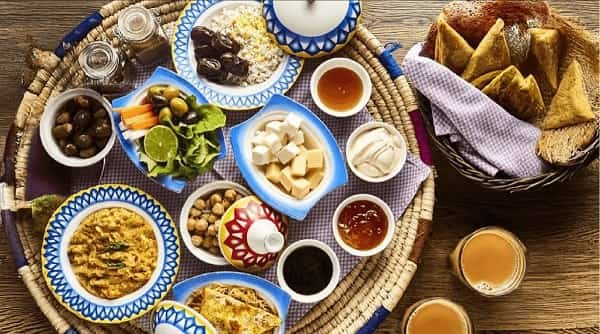
A: A traditional Emirati breakfast usually includes fresh breads, eggs, dates, tea, and dishes flavored with saffron, cardamom, and other Gulf spices. Popular breakfast foods include Balaleet, Chebab, Regag bread, and Khameer.
Q: What do Emiratis usually drink in the morning?
A: Many Emiratis start their day with Arabic coffee, known as gahwa, or karak tea. Both drinks are deeply connected to hospitality and daily social life in the UAE.
Q: Is Emirati breakfast spicy?
A: Traditional Emirati breakfasts are generally mild and aromatic rather than very spicy. Most dishes focus on warm flavors from cardamom, saffron, cinnamon, and herbs.
Q: What is Balaleet made of?
A: Balaleet is made from sweet vermicelli noodles cooked with sugar, saffron, rose water, and cardamom. It is usually topped with a thin egg omelet, creating a sweet and savory combination.
Q: Why are dates important in Emirati breakfasts?
A: Dates have been part of Arabian life for centuries because they provided energy and nutrition in desert conditions. Today, they remain a common breakfast food and are often served with coffee or tea.
Q: What bread is commonly eaten in the UAE for breakfast?
A: Regag and Khameer are two of the most popular traditional Emirati breakfast breads. Regag is thin and crispy, while Khameer is soft and slightly sweet.
Q: Is karak tea originally Emirati?
A: Karak tea was influenced by South Asian tea culture, but it has become an important part of daily life in the UAE. It is now one of the country’s most popular drinks.
Q: Do younger Emiratis still eat traditional breakfasts?
A: Yes. While many young people also enjoy international breakfast foods, traditional Emirati breakfasts remain popular during weekends, Ramadan, Eid, and family gatherings.
Q: Can tourists try authentic Emirati breakfast dishes?
A: Absolutely. Many heritage restaurants and local cafés in Dubai, Abu Dhabi, and Sharjah serve authentic Emirati breakfast meals along with Arabic coffee and tea.
Q: What makes Emirati breakfast unique?
A: Emirati breakfast stands out because of its mix of sweet and savory flavors, use of fragrant spices, fresh breads, and strong connection to hospitality and family traditions.