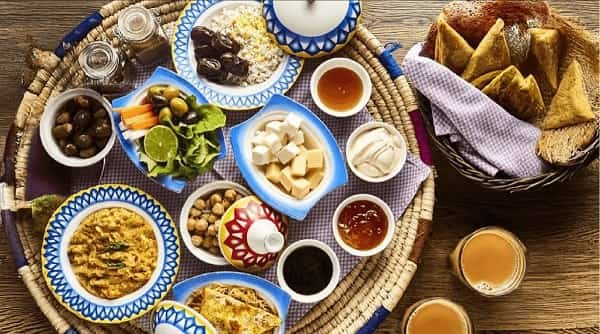







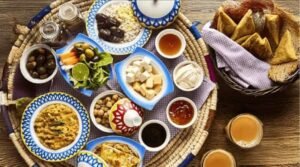
The United Arab Emirates is known around the world for luxury, modern architecture, and global cuisine, but traditional Emirati desserts remain one of the country’s most treasured cultural experiences. Long before international bakeries and modern cafés appeared across Dubai and Abu Dhabi, Emirati families prepared sweets using simple local ingredients such as dates, saffron, cardamom, honey, flour, and milk.
These desserts are deeply connected to hospitality, religion, and family traditions. Many are served during Ramadan, Eid celebrations, weddings, and evening gatherings where guests are welcomed with Arabic coffee and sweet treats. Even today, traditional desserts continue to hold emotional and cultural value in Emirati homes.
From crispy dumplings covered in date syrup to creamy puddings flavored with saffron, Emirati sweets offer rich flavors that reflect the history and heritage of the Gulf region.
Luqaimat: The Most Famous Emirati Sweet
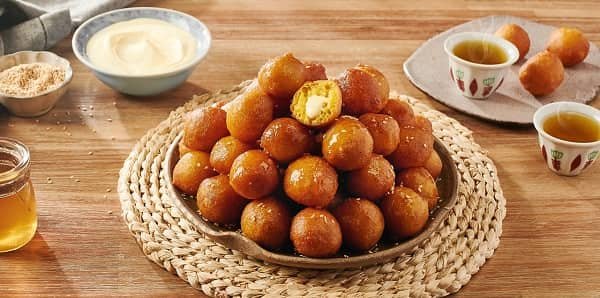
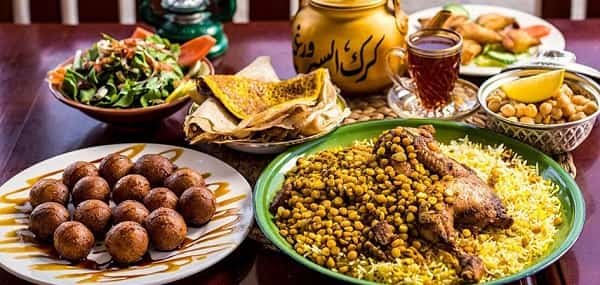
Luqaimat is easily one of the most loved traditional desserts in the UAE. These small fried dumplings are crispy on the outside and soft inside, usually drizzled with date syrup or honey and topped with sesame seeds.
Luqaimat is especially popular during Ramadan after Iftar. Families often prepare large batches to share with relatives and guests during evening gatherings.
The dessert’s popularity comes from both its simplicity and comforting taste. Even luxury restaurants across the UAE continue to serve Luqaimat because it remains strongly connected to Emirati identity and childhood memories.
Balaleet: A Sweet Breakfast Dessert
Although Balaleet is commonly eaten for breakfast, many visitors consider it a dessert because of its sweet flavor. The dish combines vermicelli noodles cooked with sugar, saffron, cardamom, and rose water, topped with a thin egg omelet.
Balaleet reflects the UAE’s historic trade relationships with India and Persia, where spices and sweet dishes heavily influenced local cooking traditions.
The unique balance of sweet and savory flavors makes Balaleet one of the most distinctive dishes in Emirati cuisine.
Khanfaroosh: Fragrant Emirati Fried Cakes
Khanfaroosh is a traditional Emirati sweet made from flour, eggs, sugar, saffron, cardamom, and yeast. The dough is shaped into small cakes and deep-fried until golden brown.
The dessert is known for its rich aroma and soft texture. Saffron and cardamom give Khanfaroosh its signature Gulf flavor that many Emiratis associate with celebrations and family gatherings.
It is often served alongside Arabic coffee during social visits and festive occasions.
Batheetha: A Date-Based Traditional Treat
Batheetha is one of the simplest traditional Emirati sweets but also one of the most culturally important. It is made using dates, flour, butter, and cardamom mixed together into a soft dough-like texture.
Before modernization, dates were a major source of nutrition for people living in the Arabian desert. Batheetha reflects how Emiratis creatively used dates in daily life for both energy and flavor.
Today, the sweet remains popular during Ramadan and cultural festivals because of its deep historical roots.
Sago Pudding: A Creamy Gulf Dessert
Sago pudding is another beloved dessert in the UAE. It is made from sago pearls cooked with sugar, saffron, rose water, and cardamom until it becomes thick and creamy.
The dessert is often served chilled and is especially popular during warm summer evenings. Its soft texture and fragrant flavor make it a comforting sweet dish for family gatherings.
Sago pudding also highlights the Gulf region’s long-standing love for floral flavors such as rose water and saffron.
Asida: A Traditional Comfort Sweet
Asida is a warm dessert made from flour, butter, sugar, and dates or honey. It has a smooth, thick texture and is often prepared during religious occasions and cooler winter months.
Historically, Asida was considered nourishing and filling, making it important for desert communities where food needed to provide long-lasting energy.
Even today, many Emirati families prepare Asida as comfort food connected to tradition and hospitality.
Dates: The Heart of Emirati Sweets
No traditional Emirati dessert culture can be discussed without mentioning dates. Dates are more than just an ingredient in the UAE. They are a symbol of hospitality, heritage, and survival in desert life.
Dates are commonly served with Arabic coffee to welcome guests and appear in countless desserts and snacks. The UAE grows several varieties of dates, each with its own flavor and texture.
For centuries, dates were essential for nutrition in the harsh desert environment, and they continue to hold strong cultural and religious significance today.
Arabic Coffee and Desserts in Emirati Culture
Traditional Emirati desserts are rarely enjoyed alone. They are usually paired with Arabic coffee, known locally as gahwa. The coffee is lightly roasted and flavored with cardamom, creating a balanced contrast to sweet desserts.
Serving sweets and coffee to guests is considered an important part of Emirati hospitality. Whether during Eid, weddings, Ramadan evenings, or casual home visits, desserts help create a warm and welcoming atmosphere.
This tradition remains one of the strongest cultural values in Emirati society.
Why Traditional Emirati Desserts Still Matter
Modern UAE cities offer international desserts from every part of the world, but traditional sweets continue to hold a special place in Emirati homes. Many younger Emiratis still learn family recipes from parents and grandparents, helping preserve local culinary heritage.
Cultural festivals, heritage restaurants, and Ramadan markets also play an important role in keeping traditional desserts alive for future generations.
For tourists, tasting authentic Emirati sweets provides a deeper connection to the country’s culture beyond luxury shopping and skyscrapers.
Final Thoughts
Traditional Emirati desserts reflect the warmth, history, and hospitality of the UAE. Sweets like Luqaimat, Khanfaroosh, Batheetha, and Asida are not only delicious but also deeply connected to family traditions and cultural identity.
These desserts tell stories of desert survival, trade routes, religious celebrations, and community gatherings that shaped Emirati life for generations. Even in a modern and rapidly changing country, traditional sweets continue to bring people together around the table.
FAQs About Traditional UAE Desserts
Q: What is the most popular dessert in the UAE?
A: Luqaimat is considered one of the most popular traditional Emirati desserts, especially during Ramadan.
Q: Are Emirati desserts very sweet?
A: Most Emirati desserts are moderately sweet and flavored with ingredients like dates, honey, saffron, and cardamom rather than excessive sugar.
Q: Why are dates important in UAE desserts?
A: Dates have been an essential food source in the Arabian desert for centuries and are deeply connected to Emirati culture and hospitality.
Q: What spices are commonly used in Emirati sweets?
A: Cardamom, saffron, rose water, cinnamon, and sometimes nutmeg are commonly used in traditional desserts.
Q: Are Emirati desserts served during Ramadan?
A: Yes. Desserts like Luqaimat and Batheetha are especially popular during Ramadan and Eid celebrations.
Q: What drink is usually served with Emirati sweets?
A: Arabic coffee, or gahwa, is traditionally served with Emirati desserts and snacks.
Q: Can tourists easily find traditional Emirati desserts?
A: Yes. Many heritage cafés, local bakeries, and traditional restaurants across the UAE serve authentic Emirati sweets.
Q: Are there healthy traditional Emirati desserts?
A: Some desserts made with dates, nuts, and natural ingredients can be healthier compared to heavily processed sweets, though moderation is still important.