




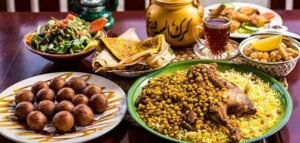

Rice has always played a major role in Emirati cuisine. Long before the UAE became a modern global destination, rice dishes were at the center of family meals, celebrations, and religious gatherings. Influenced by trade routes connecting the Arabian Gulf with India, Persia, and East Africa, Emirati rice dishes developed rich flavors built around aromatic spices, slow cooking, and generous hospitality.
Today, traditional rice meals remain some of the most loved foods in the UAE. Whether served during Ramadan, weddings, Eid celebrations, or daily family dinners, these dishes continue to represent Emirati culture and heritage. From the famous Machboos to the comforting Al Harees, each recipe tells a story about the country’s history and traditions.
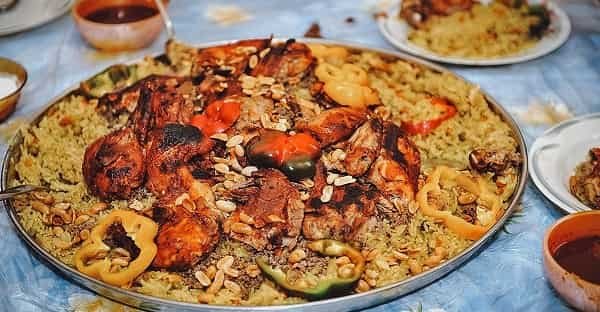
Machboos: The Most Famous Emirati Rice Dish
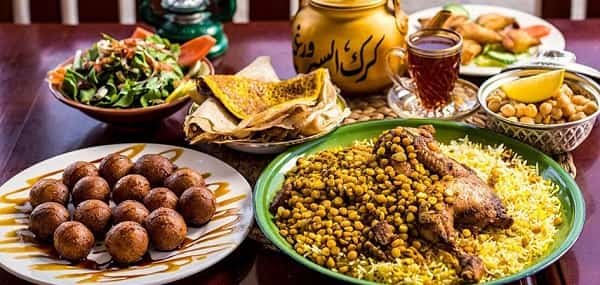
Machboos is widely considered the signature rice dish of the UAE. It is made with basmati rice cooked alongside meat, chicken, or seafood and flavored with spices such as cardamom, cinnamon, cloves, turmeric, and black pepper.
One of the most important ingredients in Machboos is dried lemon, locally called loomi. It gives the dish a slightly smoky and tangy flavor that makes Emirati cooking unique.
Machboos is commonly prepared during family gatherings and festive occasions. Large platters are often shared among relatives and guests, reflecting the Emirati tradition of hospitality and communal dining.
Different regions and families prepare Machboos in their own way. Coastal communities often make seafood Machboos using shrimp or fish, while inland areas may prefer lamb or chicken versions.
Al Harees: The Dish of Patience and Tradition
Al Harees is one of the oldest and most culturally important dishes in the UAE. It is made by slowly cooking wheat and meat together for several hours until the mixture becomes soft and creamy.
Though simple in ingredients, Al Harees requires patience and careful preparation. Traditionally, the dish was cooked in large pots during Ramadan and Eid, allowing families to share it with neighbors and the less fortunate.
The dish reflects values that are deeply important in Emirati society, including generosity, unity, and community support. Even today, many Emirati homes continue the tradition of preparing Al Harees during religious celebrations.
Its smooth texture and comforting flavor make it one of the most beloved traditional foods in the country.
Biryani Emirati Style
While biryani originally came from South Asia, it has become highly popular in the UAE and evolved with local Gulf flavors. Emirati-style biryani often includes saffron, dried lemon, local spice blends, and sometimes seafood.
The UAE’s long history of trade with India helped introduce rice and spice-based dishes into local cooking traditions. Over time, Emiratis adapted these dishes to suit regional tastes and ingredients.
Today, biryani is commonly served at weddings, family parties, and weekend gatherings across the Emirates.
Madrooba: Creamy Rice with Coastal Influence
Madrooba is a comforting dish made from rice, fish, garlic, and spices cooked together until soft and creamy. The ingredients are mashed during cooking, giving the dish a thick texture.
This meal reflects the importance of fishing communities in Emirati history. Before oil transformed the economy, many families along the Arabian Gulf depended on fishing and pearl diving for survival.
Madrooba remains especially popular in coastal regions and is valued for its nostalgic connection to old Emirati life.
Thareed: Bread and Rice Together
Although Thareed is often known for its bread base, rice is also commonly served alongside the dish in many Emirati homes. Thareed combines thin bread soaked in a rich meat and vegetable stew.
Historically, it was considered practical and filling for Bedouin communities living in desert conditions. The dish continues to hold religious significance during Ramadan because of its nourishing qualities.
Thareed highlights how Emirati cuisine focuses not only on flavor but also on comfort, family sharing, and resourcefulness.
Majboos Rubyan: Emirati Shrimp Rice
Majboos Rubyan is a seafood variation of Machboos prepared with shrimp instead of meat or chicken. It is particularly popular in coastal cities such as Dubai and Abu Dhabi.
The dish combines Gulf seafood traditions with aromatic rice cooking methods. Fresh shrimp, tomatoes, onions, saffron, and loomi create a flavorful meal that reflects the UAE’s strong connection to the sea.
For many Emiratis, seafood rice dishes carry memories of family meals near the coast and traditional fishing culture.
Why Rice Holds Such Importance in Emirati Cuisine
Rice became central to Emirati cooking because of the UAE’s historical trade networks. Merchants traveling through Gulf ports brought spices, rice, and cooking techniques from neighboring regions, especially India and Persia.
Over generations, Emiratis developed their own cooking styles using these imported ingredients alongside local seafood, meat, and desert spices.
Rice dishes also became important because they were practical for feeding large families and guests. Hospitality is one of the strongest values in Emirati culture, and generous rice platters symbolize warmth and respect toward visitors.
Even in modern UAE cities filled with international restaurants, traditional rice dishes continue to be served during major celebrations and family gatherings.
Traditional Spices Used in Emirati Rice Dishes
Emirati rice dishes are known for their fragrant spice combinations rather than extreme heat. Common spices include:
- Cardamom
- Cinnamon
- Cloves
- Black pepper
- Turmeric
- Saffron
- Dried lemon (loomi)
These ingredients create the rich aromas and balanced flavors that define Gulf cuisine.
Final Thoughts
Traditional rice dishes remain at the heart of Emirati food culture. Meals like Machboos, Al Harees, Madrooba, and Majboos Rubyan reflect the UAE’s history of trade, desert survival, coastal life, and strong family values.
These dishes are not simply everyday meals. They represent hospitality, celebration, and cultural identity passed down through generations. Whether enjoyed during Ramadan, weddings, or ordinary family dinners, Emirati rice dishes continue to connect modern life with the country’s rich heritage.
FAQs About Emirati Rice Dishes
Q: What is the most famous rice dish in the UAE?
A: Machboos is considered the most famous traditional rice dish in the UAE because of its rich flavor and cultural importance.
Q: What is the difference between Machboos and biryani?
A: Machboos uses Gulf spices and dried lemon for a smokier flavor, while biryani is usually more layered and heavily influenced by South Asian cooking styles.
Q: Is Al Harees made with rice?
A: No. Al Harees is traditionally made with wheat and meat slowly cooked together until creamy.
Q: Why is rice important in Emirati cuisine?
A: Rice became important due to historical trade routes connecting the Gulf region with India and Persia. It also became practical for feeding large families and guests.
Q: What spices are commonly used in Emirati rice dishes?
A: Cardamom, saffron, cinnamon, cloves, turmeric, black pepper, and dried lemon are commonly used.
Q: Are Emirati rice dishes spicy?
A: Most Emirati rice dishes are aromatic and flavorful rather than extremely spicy.
Q: Is seafood commonly used in Emirati rice dishes?
A: Yes. Coastal communities in the UAE often prepare rice dishes with shrimp, fish, and other seafood.
Q: Can tourists try authentic Emirati rice dishes easily?
A: Yes. Many traditional restaurants and heritage cafés across Dubai, Abu Dhabi, and Sharjah serve authentic Emirati rice dishes.