

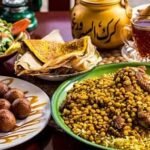





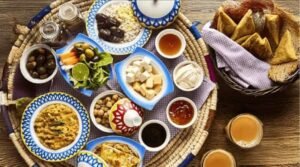
The United Arab Emirates is a country of breathtaking contrasts — ancient desert traditions standing tall beside gleaming modern cities, humble fishing villages transformed into global destinations. Yet through every era of change, one thing has remained beautifully constant: the food. Emirati cuisine is the soul of this nation, a fragrant, generous, and deeply meaningful expression of who these people are and where they come from.
What makes UAE food truly special is its ability to welcome everyone. Locals grew up with these flavours — the warmth of saffron rice, the sweetness of date syrup, the comfort of slow-cooked stews passed down through generations. Tourists arrive curious and leave completely captivated. In a country where over 200 nationalities call home, traditional Emirati food holds its ground with quiet confidence, inviting all who come to sit down, eat well, and feel at home.
This is a celebration of the most famous dishes in UAE cuisine — the ones that locals love fiercely and tourists never forget.
1. Machboos — The Heart of Every Emirati Gathering
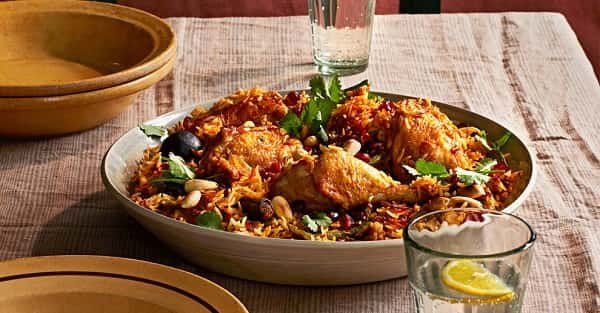
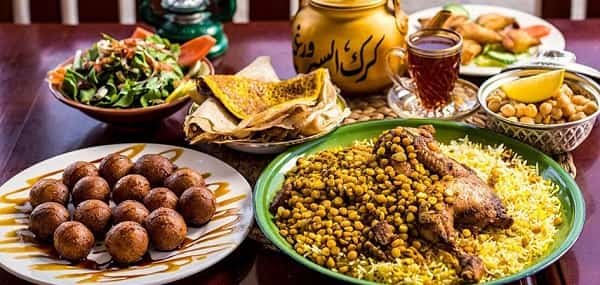
Ask any Emirati what their favourite home-cooked meal is and the answer will almost always be Machboos. This iconic spiced rice dish, slow-cooked with lamb, chicken, or fresh Gulf fish, is layered with the deep aromas of loomi (dried black lime), saffron, cardamom, and rose water. It is the centrepiece of family celebrations, Eid feasts, and Friday lunches across the country. Rich, fragrant, and deeply satisfying — one plate of Machboos tells you everything you need to know about Emirati hospitality.
2. Harees — Simple, Soulful, and Timeless
Harees is proof that the greatest food requires no complexity. Just wheat and meat, slow-cooked for hours until they merge into a smooth, hearty porridge finished with a generous pour of ghee. It sounds simple. It tastes extraordinary. Deeply associated with Ramadan, Eid, and weddings, Harees carries enormous cultural weight in the UAE. Tourists who try it for the first time are often surprised by how comforting and memorable it is.
3. Luqaimat — The Sweet Bite Everyone Reaches For
Few street foods anywhere in the world generate the kind of excitement that Luqaimat does in the UAE. These small golden dumplings — fried until perfectly crisp, drizzled with dark date syrup, and scattered with sesame seeds — are warm, pillowy, and completely irresistible. Vendors fry them fresh to order, and the sight of them tumbling into paper cups draws crowds without fail. A Ramadan staple and a year-round favourite, Luqaimat are the sweet symbol of Emirati street culture.
4. Balaleet — The Breakfast That Surprises Every Visitor
Balaleet is one of those dishes that raises an eyebrow on first description and earns instant devotion on first bite. Sweet vermicelli noodles infused with saffron, cardamom, and rose water, paired with a savoury spiced omelette — it is an unlikely combination that works with remarkable elegance. Served as a traditional breakfast or light evening dish, Balaleet is a firm local favourite and one of the most genuinely surprising culinary discoveries for any visitor to the UAE.
5. Saloona — Everyday Comfort in a Bowl
Not every great dish needs to be reserved for special occasions. Saloona is the everyday hero of Emirati cooking — a slow-simmered stew of meat or fish with tomatoes, potatoes, and seasonal vegetables, seasoned with a warming blend of spices and served over fluffy white rice. It is the dish Emirati mothers cook on weekday evenings, the meal that fills the home with the smell of something good. Humble, honest, and deeply nourishing.
6. Madrooba — A Taste of the UAE’s Coastal Heritage
Long before the oil era, the UAE’s identity was shaped by the sea. Madrooba is a living reminder of that heritage — a slow-cooked fish dish, beaten to a thick, creamy consistency with a bold spice paste, born in the kitchens of pearl-diving communities along the Gulf coast. It is a heritage dish in the truest sense, less commonly found today, which makes it all the more worth seeking out. Tasting Madrooba is tasting history.
7. Khameer Bread — The Bread That Completes Every Meal
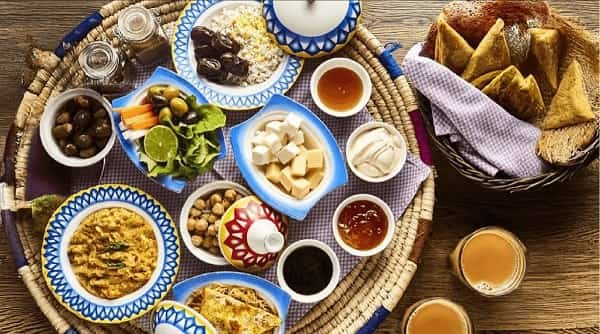
Every great cuisine has its bread, and in the UAE, that bread is Khameer. Soft, slightly sweet, and golden from saffron and turmeric, this traditional flatbread is baked in clay ovens and served warm. Locals pair it with date syrup and cream cheese at breakfast, or tear it alongside a plate of Saloona or Machboos at lunch. Tourists who stumble upon freshly baked Khameer rarely need convincing to try it — the aroma alone does the work.
8. Samboosa — Crispy, Spiced, and Impossible to Resist
Samboosa — triangular pastry parcels stuffed with spiced minced meat, cheese, or vegetables and fried to a shattering crisp — are among the most universally loved snacks in the UAE. They are a Ramadan essential, a wedding appetiser, and an anytime treat that transcends age, nationality, and occasion. Every culture has its version of the fried stuffed pastry, and the UAE’s is among the finest. One bite of a hot Samboosa and you will understand why they disappear so quickly.
9. Al Harees bil Dijaj — Warmth on a Plate
A beloved variation of the classic Harees, Al Harees bil Dijaj replaces lamb with tender slow-cooked chicken, resulting in a slightly lighter texture while retaining all of the dish’s signature warmth and depth. It is a wedding dish, a celebration food, and a gesture of abundance — made when there are many mouths to feed and many hearts to welcome. Simple to describe, difficult to forget.
10. Dates & Qahwa — The First Welcome and the Last Memory
No exploration of UAE cuisine ends without returning to its most iconic ritual — dates and Arabic coffee. Qahwa, brewed light with cardamom and saffron and poured from a beautiful dallah pot, is served alongside a selection of the finest Emirati dates as the first gesture of welcome in any home, office, or formal gathering. It is not merely food or drink. It is a declaration of generosity, a tradition older than the nation itself, and the taste that almost every tourist carries home in their memory long after everything else has faded.
Why UAE Food Is Loved by Everyone
What unites locals and tourists in their love of Emirati cuisine is not just the flavour — it is the feeling. These are dishes made to be shared, served in generous portions, offered without hesitation to anyone at the table. In the UAE, feeding a guest well is not a courtesy. It is a matter of pride, culture, and deep-rooted identity. Whether you were born here or arrived last week, the food of the Emirates has a way of making you feel genuinely at home.
Frequently Asked Questions (FAQs)
Q1. What is the most famous dish in UAE cuisine?
A: Machboos is the most iconic dish in UAE cuisine — a fragrant spiced rice slow-cooked with meat or fish. It is the dish most closely associated with Emirati identity and is served at every important family and cultural occasion.
Q2. Is Emirati food similar to other Arab cuisines?
A: Emirati cuisine shares some ingredients and techniques with broader Arab and Gulf cooking but has its own distinct identity. The use of dried lime (loomi), rose water, and specific spice blends, along with coastal fish dishes and Bedouin staples, gives it a flavour profile entirely its own.
Q3. Which traditional UAE foods are best for first-time visitors?
A: Machboos, Luqaimat, Samboosa, and Khameer bread with date syrup are the most accessible and universally enjoyed starting points. They are widely available, easy to eat, and give an excellent introduction to the core flavours of Emirati cooking.
Q4. Are UAE traditional foods healthy?
A: Many traditional Emirati dishes are nutritious and wholesome — built around whole grains, lean meats, fish, legumes, and natural spices with proven health benefits. Harees and Saloona, in particular, are simple, clean, and nourishing. Some sweeter items like Luqaimat are indulgent treats best enjoyed in moderation.
Q5. Can traditional Emirati food be found outside the UAE?
A: Authentic Emirati food is relatively rare outside the country. A handful of Emirati restaurants exist in London and a few other major cities, but the most genuine experience is found within the UAE itself — particularly at heritage restaurants, cultural centres, and family-run Emirati eateries.
Q6. What do Emiratis typically eat for breakfast?
A: A traditional Emirati breakfast often includes Balaleet, Khameer bread with date syrup and cream cheese, Al Jabab flatbread with honey, and Qahwa with dates. It is a relaxed, flavourful start to the day that reflects the warmth and generosity central to Emirati culture.