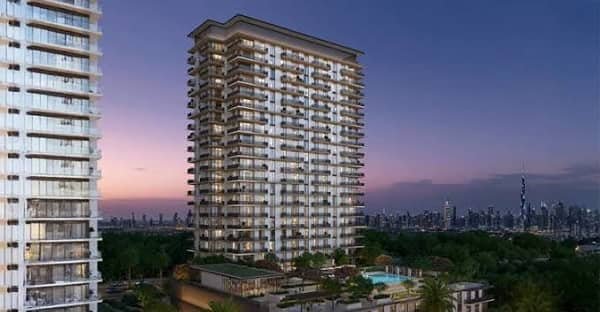









The United Arab Emirates has become one of the world’s most attractive destinations for property investment, with Dubai and Abu Dhabi leading the country’s real estate market. Both cities offer modern infrastructure, luxury developments, tax advantages, and growing demand from expatriates and international investors.
However, Dubai and Abu Dhabi are very different property markets. Dubai is often seen as fast-moving, tourism-driven, and highly international, while Abu Dhabi is viewed as more stable, family-oriented, and government-focused.
For investors, understanding these differences is important before deciding where to invest. Rental yields, property prices, appreciation potential, lifestyle demand, and risk levels can vary significantly between the two cities.

Dubai Real Estate Market Overview
Dubai is the UAE’s most internationally recognized real estate market. The city attracts millions of tourists, expatriates, entrepreneurs, and global investors every year.
Dubai’s property market is known for:
- Luxury skyscrapers
- Waterfront developments
- Large freehold zones
- High rental demand
- Fast-paced growth
Popular investment areas include:
- Downtown Dubai
- Dubai Marina
- Palm Jumeirah
- Business Bay
- Jumeirah Village Circle
Dubai is especially popular among investors seeking strong rental yields and short-term holiday rental opportunities.
Abu Dhabi Real Estate Market Overview
Abu Dhabi is the capital of the UAE and has a more stable, government-driven economy.
The city is known for:
- High-end residential communities
- Family-oriented neighborhoods
- Strong public sector employment
- Long-term residential demand
- More controlled development pace
Popular investment locations include:
- Al Reem Island
- Yas Island
- Saadiyat Island
- Al Raha Beach
Abu Dhabi often attracts buyers looking for long-term stability and premium family living rather than rapid speculative growth.
Rental Yield Comparison
One of the biggest reasons investors choose Dubai is higher rental yield potential.
In many Dubai communities, rental yields can range between 6% and 9%, especially in:
- Jumeirah Village Circle
- Dubai Marina
- Business Bay
Short-term rentals in tourist-heavy areas can sometimes generate even higher returns.
Abu Dhabi generally offers slightly lower rental yields, often ranging between 5% and 7%, depending on the area and property type.
However, Abu Dhabi’s rental market is usually considered more stable and less volatile than Dubai’s.
Property Price Comparison
Dubai offers a wider range of property prices, from affordable apartments to ultra-luxury villas.
Investors can enter the Dubai market with relatively smaller budgets in areas such as:
- JVC
- International City
- Dubai Silicon Oasis
Luxury buyers, meanwhile, can invest millions in Palm Jumeirah or Downtown Dubai.
Abu Dhabi properties are often larger and more family-focused, especially villas and waterfront apartments. Prime Abu Dhabi areas like Saadiyat Island can also be extremely expensive due to exclusivity and luxury demand.
In general:
- Dubai offers more variety
- Abu Dhabi offers more residential stability
Market Volatility and Risk
Dubai’s real estate market is known for faster growth cycles and stronger price fluctuations.
During strong economic periods, Dubai property values can rise quickly. However, the market can also experience sharper corrections during economic slowdowns.
This makes Dubai attractive for:
- Aggressive investors
- Short-term investors
- High-growth strategies
Abu Dhabi’s property market is usually more conservative and stable because of:
- Government-driven economy
- Slower development pace
- Lower speculative activity
For risk-averse investors, Abu Dhabi may feel safer long term.
Tourism and Short-Term Rental Potential
Dubai clearly dominates the UAE tourism sector.
The city attracts millions of visitors annually because of:
- Luxury shopping
- Beaches
- Business events
- Entertainment
- Global tourism branding
As a result, short-term rental investment performs strongly in areas like:
- Dubai Marina
- Downtown Dubai
- Palm Jumeirah
Abu Dhabi also has growing tourism through attractions such as:
- Louvre Abu Dhabi
- Yas Marina Circuit
- Ferrari World Abu Dhabi
However, Dubai still offers larger short-term rental demand overall.
Lifestyle and Tenant Demographics
Dubai attracts:
- Young professionals
- Entrepreneurs
- Tourists
- International investors
- Digital nomads
The city has a faster lifestyle and more active nightlife environment.
Abu Dhabi tends to attract:
- Families
- Government employees
- Long-term expatriates
- Professionals seeking quieter living
This difference affects tenant behavior and rental stability.
Infrastructure and Future Growth
Both cities continue investing heavily in infrastructure and real estate development.
Dubai focuses strongly on:
- Tourism growth
- Business expansion
- Smart city projects
- Luxury developments
Abu Dhabi focuses more on:
- Cultural development
- Sustainability
- Long-term residential planning
- Government-backed economic diversification
Both cities have strong future growth potential, though Dubai usually grows faster in terms of new projects and international exposure.
Which City Is Better for Investors?
The answer depends on investment goals.
Dubai May Be Better For:
- Higher rental yields
- Short-term rentals
- Faster appreciation potential
- Luxury tourism-focused investment
- More active property trading
Abu Dhabi May Be Better For:
- Long-term stability
- Family-focused residential investment
- Lower market volatility
- Conservative investors
- Stable tenant demand
Some investors even choose to diversify by owning properties in both cities.
Final Thoughts
Dubai and Abu Dhabi each offer unique real estate investment advantages. Dubai is dynamic, internationally connected, and focused on rapid growth, while Abu Dhabi provides stability, family-oriented communities, and a more measured market environment.
Investors seeking aggressive growth and tourism-driven returns often prefer Dubai. Those looking for stable long-term investment and lower volatility may lean toward Abu Dhabi.
Both cities remain among the strongest property investment destinations in the Middle East, and choosing between them depends largely on financial goals, risk tolerance, and preferred investment strategy.
FAQs
Q: Which city offers higher rental yields, Dubai or Abu Dhabi?
A: Dubai generally offers higher rental yields, especially in areas like JVC, Dubai Marina, and Business Bay.
Q: Is Abu Dhabi real estate more stable than Dubai?
A: Yes. Abu Dhabi’s market is usually considered more stable and less volatile compared to Dubai.
Q: Which city is better for short-term rentals?
A: Dubai performs better for short-term holiday rentals because of stronger tourism demand.
Q: Is property cheaper in Dubai or Abu Dhabi?
A: Dubai offers a wider range of prices, including more affordable investment options in some communities.
Q: Can foreigners buy property in both Dubai and Abu Dhabi?
A: Yes. Foreigners can buy property in designated freehold areas in both cities.
Q: Which city is better for family living?
A: Abu Dhabi is often preferred for family living because of its quieter environment and residential-focused communities.
Q: Does Dubai have more luxury real estate options?
A: Yes. Dubai is globally known for luxury developments such as Palm Jumeirah and Downtown Dubai.
Q: Is UAE property investment tax-free?
A: The UAE does not impose annual property tax on owned residential properties.