







Dubai has become one of the world’s most active tourism and business destinations, attracting millions of visitors every year. Because of this constant flow of tourists, business travelers, and digital nomads, short-term rental investments have grown rapidly across the city.
Platforms like Airbnb and holiday home management services have created new opportunities for property investors looking to earn higher rental income than traditional long-term leasing. Many investors now buy apartments in tourist-heavy locations specifically for short-term rental use.
At first glance, the idea sounds highly profitable. Daily rental rates in Dubai can often generate much higher income than yearly lease contracts. However, short-term rental investment also comes with challenges, operational costs, legal regulations, and market risks that investors must understand carefully before entering the market.
So, is short-term rental investment in Dubai actually worth it? The answer depends on several important factors.
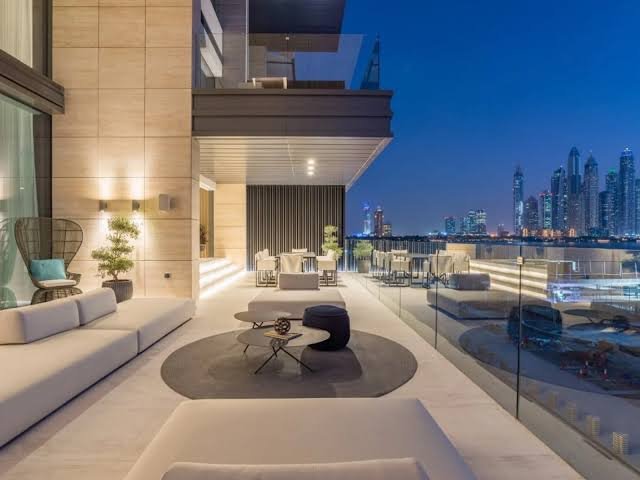
Why Short-Term Rentals Became Popular in Dubai
Dubai’s tourism-driven economy is one of the main reasons short-term rentals have expanded so quickly.
The city attracts:
- Tourists
- Business travelers
- Remote workers
- Event visitors
- Luxury vacation travelers
Major events, shopping festivals, business conferences, and year-round tourism create strong demand for temporary accommodation.
Many travelers now prefer furnished apartments over hotels because they offer:
- More privacy
- Larger living spaces
- Kitchen facilities
- Better value for families and groups
As a result, holiday homes and Airbnb-style rentals have become a major part of Dubai’s hospitality sector.
Areas That Perform Best for Short-Term Rentals
Location is the most important factor for short-term rental success in Dubai.
The strongest-performing areas usually include:
- Dubai Marina
- Downtown Dubai
- Palm Jumeirah
- Business Bay
- Jumeirah Beach Residence
These locations attract tourists because of:
- Beach access
- Luxury lifestyle
- Restaurants and nightlife
- Shopping malls
- Business connectivity
Properties near metro stations and tourist attractions generally achieve higher occupancy rates.
Potential Advantages of Short-Term Rental Investment
Higher Rental Income
One of the biggest attractions is the possibility of earning more compared to long-term leases.
During peak tourist seasons, daily rental rates can generate significantly higher monthly income than standard annual contracts.
Luxury apartments in prime areas may produce especially strong returns during:
- Winter tourism season
- New Year celebrations
- Major business events
- International exhibitions
Flexibility for Owners
Short-term rental owners can still use their property personally during certain periods of the year.
This flexibility is attractive for overseas investors who want both:
- Rental income
- Occasional personal vacation use
Strong Tourism Growth
Dubai continues investing heavily in tourism, entertainment, aviation, and infrastructure.
The city’s global tourism strategy supports long-term demand for:
- Hotels
- Holiday apartments
- Vacation rentals
As Dubai’s international visitor numbers continue growing, demand for short-term accommodation is expected to remain strong.
Better Property Presentation
Short-term rental properties are usually fully furnished and professionally maintained because guest reviews strongly affect booking performance.
As a result, many investors maintain their apartments at higher quality standards compared to long-term rental properties.
Challenges and Risks Investors Should Know
Despite attractive income potential, short-term rental investment is not passive or risk-free.
Seasonal Income Fluctuations
Dubai’s tourism market changes throughout the year.
Peak season generally performs very strongly, while summer months may experience:
- Lower occupancy
- Reduced nightly rates
- Increased competition
Investors must prepare for seasonal income variation rather than expecting stable monthly returns year-round.
Higher Operating Costs
Short-term rentals involve more expenses than traditional leasing.
These may include:
- Furnishing costs
- Cleaning services
- Maintenance
- Utility bills
- Internet services
- Property management fees
- Booking platform commissions
Luxury apartments also require regular upgrades to remain competitive.
Frequent Tenant Turnover
Unlike long-term rentals with stable yearly tenants, short-term properties constantly receive new guests.
This creates:
- More wear and tear
- More maintenance work
- Higher management involvement
Investors who live outside the UAE often hire professional holiday home management companies to handle operations.
Market Competition
Dubai’s short-term rental market has become highly competitive.
Thousands of apartments now compete for tourist bookings, especially in popular areas like Dubai Marina and Downtown Dubai.
Properties with poor furnishing, weak reviews, or outdated interiors may struggle to maintain occupancy.
Legal Requirements for Holiday Homes
Dubai regulates short-term rental properties through the Dubai Department of Economy and Tourism.
Property owners typically need:
- Holiday home permits
- Guest registration compliance
- Safety standards
- Proper licensing
Failure to follow regulations may result in fines or operational restrictions.
Many investors hire licensed property management companies to ensure compliance with local rules.
Short-Term vs Long-Term Rental Comparison
Short-Term Rentals
Pros:
- Higher income potential
- Flexibility
- Tourism-driven demand
Cons:
- Higher operating costs
- Seasonal fluctuations
- More active management
Long-Term Rentals
Pros:
- Stable monthly income
- Less management involvement
- Lower operational costs
Cons:
- Lower rental yields in some areas
- Less flexibility
The best option depends on investment goals and risk tolerance.
Is It Profitable in 2026?
Dubai’s short-term rental market remains attractive in 2026 because of:
- Continued tourism growth
- Expanding airline connectivity
- Global events and business travel
- Rising luxury travel demand
However, profitability now depends much more on:
- Location quality
- Professional management
- Interior presentation
- Occupancy consistency
The days of easy profits from any random apartment are largely over. Successful investors now treat short-term rentals as serious hospitality businesses.
Who Should Consider Short-Term Rental Investment?
Short-term rental investment may suit:
- Investors comfortable with active management
- Buyers targeting tourism-heavy areas
- Luxury property investors
- Overseas owners wanting personal use flexibility
It may not suit investors looking for completely passive income or guaranteed monthly returns.
Final Thoughts
Short-term rental investment in Dubai can absolutely be worth it, but success depends heavily on strategy, location, and operational quality. Prime areas like Dubai Marina, Downtown Dubai, and Palm Jumeirah continue generating strong demand from tourists and business travelers.
For investors willing to manage higher operating costs and seasonal fluctuations, short-term rentals may produce stronger returns than traditional leasing. However, the market has become increasingly competitive, making professional management and high-quality presentation more important than ever.
Dubai’s tourism growth and global popularity continue supporting the long-term outlook for holiday home investment, but careful planning remains essential before entering the market.
FAQs About Short-Term Rental Investment in Dubai
Q1. Is Airbnb legal in Dubai?
A: Yes. Short-term rentals are legal in Dubai if owners follow licensing and holiday home regulations.
Q2. Which areas are best for short-term rental investment in Dubai?
A: Dubai Marina, Downtown Dubai, Palm Jumeirah, and Jumeirah Beach Residence are among the strongest-performing areas.
Q3. Do short-term rentals make more money than long-term rentals?
A: In many cases, yes. Short-term rentals can generate higher income, especially during peak tourism seasons.
Q4. What are the biggest expenses in holiday home investment?
A: Major expenses include furnishing, cleaning, utilities, maintenance, management fees, and platform commissions.
Q5. Is short-term rental income stable year-round?
A: No. Income can fluctuate depending on tourism seasons and market demand.
Q6. Do investors need a license for holiday rentals in Dubai?
A: Yes. Owners usually need permits and approvals from Dubai tourism authorities.
Q7. Are short-term rentals suitable for overseas investors?
A: Yes, but many overseas owners hire property management companies to handle guest operations and maintenance.
Q8. Is Dubai still a good market for Airbnb investment?
A: Dubai remains attractive because of strong tourism demand, though competition has increased significantly in recent years.