







If you want to understand how Dubai moves, start with the Red Line. It cuts across the city from one end to the other, linking airports, business districts, malls, and residential zones in one straight run.
Running through the spine of Dubai along Sheikh Zayed Road, this line is the most used part of the metro network. Whether you’re a tourist or a daily commuter, chances are you’ll rely on it at some point.
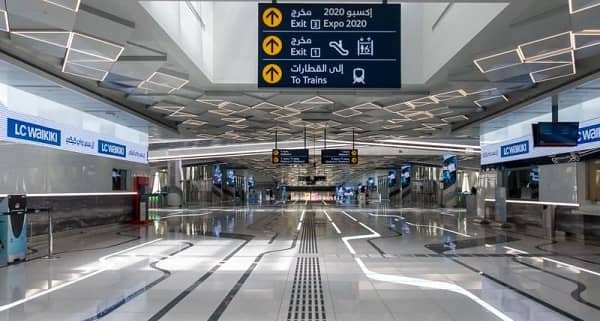
Metro Stations on Red Line Quick Overview
| Feature | Details |
| Line Name | Dubai Metro Red Line |
| Type | Fully automated metro |
| Length | ~67 km (including Route 2020) |
| Total Stations | 35+ stations |
| Start Point | Centrepoint (Rashidiya) |
| End Point | Expo City Dubai |
| Key Areas Covered | Airport, Deira, Downtown, Marina, Expo City |
Complete List of Red Line Metro Stations
Here’s the full sequence of stations from start to end:
Starting Section (Airport & Deira Area)
- Centrepoint (Rashidiya)
- Emirates
- Airport Terminal 3
- Airport Terminal 1
- GGICO
- City Centre Deira
- Al Rigga
- Union (Interchange – Green Line)
Central Dubai Section
- BurJuman (Interchange – Green Line)
- ADCB
- Al Jafiliya
- World Trade Centre
- Emirates Towers
- Financial Centre
- Burj Khalifa/Dubai Mall
Business & Residential Corridor
- Business Bay
- ONPASSIVE (formerly Al Safa)
- Equiti (formerly Umm Al Sheif)
- Mall of the Emirates
- Dubai Internet City
- Al Khail
- Sobha Realty (formerly DAMAC Properties)
- DMCC
Marina to Jebel Ali Section
- Jebel Ali (Interchange for branches)
- Ibn Battuta
- Energy
- Danube
- UAE Exchange
Route 2020 Extension (Expo Line)
- The Gardens
- Discovery Gardens
- Al Furjan
- Jumeirah Golf Estates
- Dubai Investment Park (DIP)
- Expo City Dubai
Route and Connectivity
The Red Line connects almost every major part of Dubai:
Key Connections
- Dubai International Airport (Terminals 1 & 3)
- Burj Khalifa
- Dubai Mall
- Dubai Marina & JLT
- Expo City Dubai
Interchange Stations
- Union → Connects to Green Line
- BurJuman → Connects to Green Line
- Jebel Ali → Branch split (Expo extension)
This makes the Red Line the backbone of the entire metro system.
Key Features of Red Line Stations
Most Red Line stations share similar features:
Design & Structure
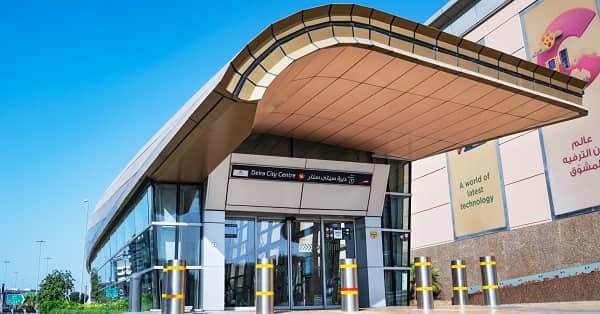
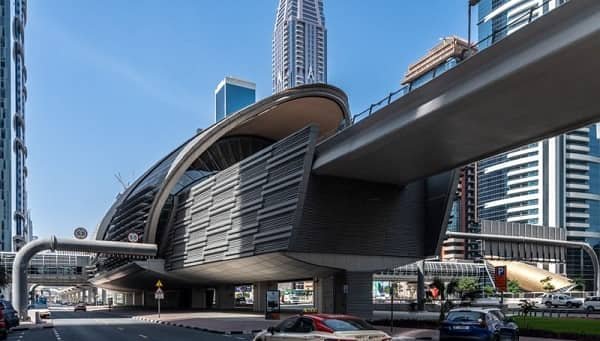
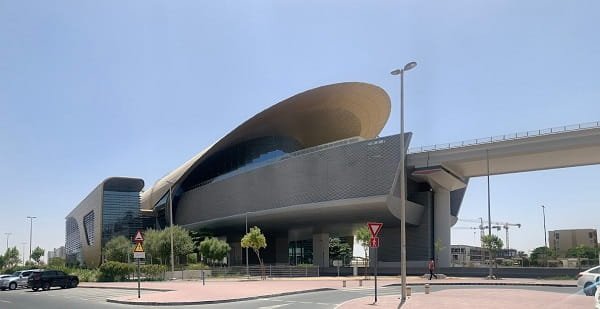
- Elevated stations (majority)
- Modern glass architecture
- Air-conditioned interiors
Passenger Facilities
- Nol card system
- Ticket vending machines
- Free Wi-Fi
- Customer service counters
Accessibility
- Elevators & escalators
- Wheelchair-friendly access
- Clear bilingual signage
Peak Hours and Travel Tips
Peak Timings
- Morning: 7 AM – 10 AM
- Evening: 5 PM – 9 PM
Useful Tips
- Use interchange stations wisely
- Travel early to avoid rush
- Keep Nol card topped up
- Stand right on escalators
If you’re traveling long distance, boarding at terminal stations helps you get a seat.
Why Red Line Is Important
The Red Line is the main transport backbone of Dubai. It connects almost everything important in one route.
It connects:
- Airport to city center
- Business hubs to residential zones
- Tourist attractions to local areas
Without it, moving across Dubai would take much longer.
Conclusion
The Red Line of Dubai is more than just a metro route—it’s the city’s lifeline. With wide coverage, fast connectivity, and modern infrastructure, it makes daily travel simple and efficient.
Whether you’re heading to work, shopping, or exploring landmarks, the Red Line keeps Dubai connected from start to finish.