









The UAE real estate market has become one of the most attractive investment destinations in the world. Cities like Dubai and Abu Dhabi continue attracting investors, expatriates, and homebuyers because of modern infrastructure, tax advantages, and growing property demand.
One of the first things buyers encounter when purchasing property in the UAE is the difference between freehold and leasehold ownership. Understanding these two property types is extremely important because they determine ownership rights, long-term control, resale ability, and investment flexibility.
For many first-time investors and expatriates, the terms can initially feel confusing. However, the difference becomes much simpler once you understand how ownership works in the UAE property market.
What Is Freehold Property?
A freehold property gives the buyer complete ownership of both the property and the land on which it stands. This means the owner has full rights to sell, lease, inherit, or occupy the property without major ownership restrictions.
In the UAE, freehold ownership became widely available to foreign investors after property law reforms introduced designated freehold zones in cities like Dubai.
When you purchase a freehold property, you receive ownership rights that are generally permanent. The property can also be passed to heirs according to UAE inheritance laws or legal arrangements made by the owner.
Freehold owners typically have greater flexibility and control over their investments compared to leasehold owners.
Popular Freehold Areas in Dubai
Several well-known communities in Dubai are designated as freehold areas for foreign buyers, including:
- Downtown Dubai
- Dubai Marina
- Palm Jumeirah
- Business Bay
- Jumeirah Village Circle
These locations are popular because they offer strong rental demand, international appeal, and long-term investment opportunities.
Advantages of Freehold Property
Full Ownership Rights
Freehold owners fully control the property and land without a time limit attached to ownership.
Better Long-Term Investment
Freehold properties generally have stronger resale value and appreciation potential because ownership is permanent.
Easier Inheritance
Owners can transfer freehold properties to family members or legal heirs more easily.
Stronger Investment Flexibility
Owners can rent, sell, renovate, or hold the property according to their investment strategy.
Residency Benefits
Certain freehold property investments may help buyers qualify for UAE residency visas depending on the property value and current regulations.
What Is Leasehold Property?
A leasehold property gives the buyer the right to use the property for a fixed period rather than owning it permanently. In the UAE, leasehold agreements are commonly issued for periods ranging from 30 to 99 years.
Under leasehold ownership, the land itself remains owned by the freeholder or landlord. The leaseholder only controls the property for the duration of the lease agreement.
Once the lease period expires, ownership rights may return to the freeholder unless the lease is renewed.
Leasehold properties are more common in certain parts of Abu Dhabi and older areas of Dubai.
How Leasehold Ownership Works
With leasehold property, buyers typically have rights to:
- Live in the property
- Rent the property during the lease period
- Sell the remaining lease period to another buyer
However, leaseholders may face restrictions regarding major renovations or structural changes because the land is not fully owned by them.
The value of leasehold properties can also decline as the lease term gets shorter.
Advantages of Leasehold Property
Lower Purchase Prices
Leasehold properties are often cheaper than comparable freehold properties, making them attractive for budget-conscious buyers.
Access to Prime Locations
Some leasehold properties are located in well-established areas where freehold ownership may not be available.
Suitable for Medium-Term Living
For expatriates planning to stay in the UAE for a limited number of years, leasehold ownership may still provide good value.
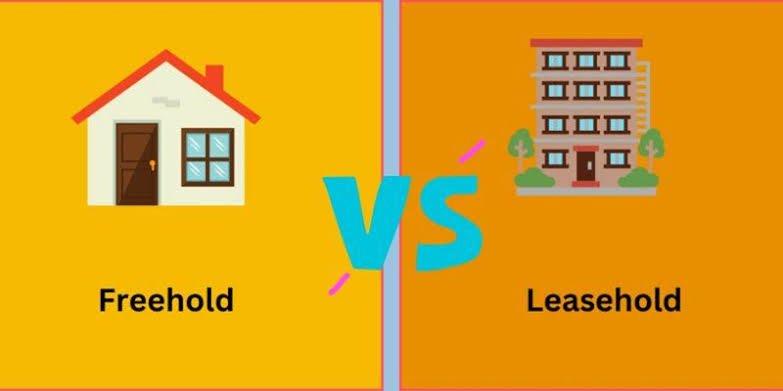
Main Differences Between Freehold and Leasehold
The biggest difference lies in ownership rights.
With freehold:
- You own the property permanently
- You own the land
- You have greater investment freedom
With leasehold:
- Ownership lasts only for the lease term
- The land belongs to the freeholder
- Some restrictions may apply
Freehold properties are generally more attractive for long-term investors, while leasehold properties may suit buyers focused on lower entry costs or medium-term use.
Which Option Is Better for Investors?
For most foreign investors in the UAE, freehold property is usually considered the stronger long-term investment option because it offers permanent ownership and better appreciation potential.
Investors interested in rental income, resale opportunities, or long-term wealth building often prefer freehold communities like Dubai Marina or Downtown Dubai.
However, leasehold properties can still work well for buyers seeking affordability or planning shorter stays in the UAE.
The best choice depends on:
- Investment goals
- Budget
- Expected length of stay
- Rental income strategy
- Future resale plans
Important Things Buyers Should Check
Before purchasing any UAE property, buyers should carefully review:
- Ownership structure
- Service charges
- Lease duration (for leasehold)
- Developer reputation
- Property registration documents
- Community regulations
Working with licensed real estate agents and legal advisors is highly recommended, especially for overseas investors unfamiliar with UAE property laws.
UAE Property Market Growth
The UAE property market continues growing due to:
- Strong tourism
- Business expansion
- Foreign investment
- Investor-friendly visa programs
- Modern infrastructure development
Cities like Dubai remain especially attractive because of freehold investment opportunities available to international buyers.
As demand continues increasing, understanding ownership structures becomes even more important for making smart property decisions.
Final Thoughts
Understanding the difference between freehold and leasehold property is essential before investing in the UAE real estate market. Freehold ownership provides full control, permanent rights, and stronger long-term investment potential, while leasehold ownership offers lower entry costs and flexible medium-term options.
For many international investors, freehold properties in Dubai remain the preferred choice because of ownership security and higher investment flexibility. Still, leasehold properties can also provide value depending on personal goals and budget.
Choosing the right property type ultimately depends on how you plan to use the property and your long-term financial strategy.
FAQs About Freehold and Leasehold Properties in the UAE
Q1. What is the difference between freehold and leasehold property?
A: Freehold gives permanent ownership of both the property and land, while leasehold provides ownership rights only for a fixed lease period.
Q2. Can foreigners buy freehold property in Dubai?
A: Yes. Foreigners can buy freehold property in designated freehold areas across Dubai.
Q3. How long does leasehold ownership last in the UAE?
A: Leasehold agreements usually range from 30 to 99 years depending on the property and location.
Q4. Is freehold property a better investment?
A: For long-term investors, freehold property is generally considered better because of permanent ownership and stronger resale value.
Q5. Can leasehold property be sold?
A: Yes. Leaseholders can usually sell the remaining lease period to another buyer.
Q6. Are leasehold properties cheaper than freehold properties?
A: In many cases, yes. Leasehold properties often have lower purchase prices compared to similar freehold properties.
Q7. Which UAE cities offer freehold ownership?
A: Dubai is the most well-known city for freehold ownership, though some freehold areas also exist in Abu Dhabi and other emirates.
Q8. Do freehold property owners get UAE residency visas?
A: Certain freehold property investments may qualify buyers for UAE residency visas depending on property value and current immigration rules.