









With the rise of digital finance, more individuals are entering the world of online trading to explore new income opportunities. Among the various trading methods available today, CFD trading has become especially popular among beginners due to its flexibility and accessibility. However, success in this space depends not only on understanding the concept but also on choosing the right platform.
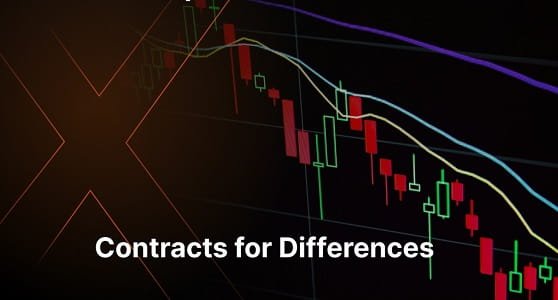
What is CFD Trading?
CFD (Contract for Difference) trading is a type of derivative trading that allows you to speculate on the price movements of financial assets without actually owning them. These assets can include stocks, commodities, indices, and forex.
For example, when you engage in CFD trading, you are essentially entering into a contract with a broker to exchange the difference in the price of an asset from the time the contract is opened to when it is closed.
This means you can profit from both rising and falling markets, making CFDs a versatile trading option. However, since it often involves leverage, the risks are equally high if not managed properly.
Why Choosing the Right Trading Platform Matters
For beginners, the trading platform acts as the gateway to financial markets. A poor platform can lead to execution delays, lack of tools, and even security risks. On the other hand, a reliable trading platform enhances your trading experience and helps you make informed decisions.
The right platform can simplify complex processes, provide real-time insights, and offer tools that improve your chances of success.
Key Features to Look for in a Trading Platform
When selecting a platform for CFD trading, beginners should focus on the following essential features:
- User-Friendly Interface
A simple and intuitive design helps beginners navigate easily without confusion. It reduces the learning curve and allows traders to focus on strategy rather than functionality. - Demo Account Availability
A demo account allows you to practice trading without risking real money. This is crucial for beginners to understand how markets work before investing. - Advanced Charting Tools
Technical analysis is a key part of trading. Look for platforms that provide indicators, charts, and drawing tools to analyze price movements effectively. - Fast Execution Speed
In trading, even a few seconds can make a difference. A good platform ensures quick order execution without delays. - Security and Regulation
Always choose a platform that is regulated and follows strict security protocols to protect your funds and personal information. - Access to Multiple Markets
A platform offering CFDs on commodities, stocks, and indices allows diversification and better trading opportunities.
Understanding Risk in CFD Trading
While CFD trading offers the benefit of leverage, it also increases potential losses. Beginners must adopt proper risk management strategies such as setting stop-loss orders, avoiding over-leveraging, and investing only what they can afford to lose.
Education and discipline are essential. Jumping into trades without proper analysis can lead to significant losses.
Tips for Beginners Getting Started
- Start with a demo account before trading with real money
- Focus on learning basic technical and fundamental analysis
- Avoid emotional trading decisions
- Begin with small investments and gradually scale
- Continuously update your knowledge about market trends
Conclusion
CFD trading provides an exciting opportunity for beginners to participate in global financial markets without owning assets directly. However, the foundation of successful trading lies in choosing the right platform and understanding how the market works. By selecting a reliable platform, practicing consistently, and managing risks effectively, beginners can build confidence and improve their trading skills over time.
FAQs
Q1. What is CFD trading and how does it work?
Ans: CFD trading allows traders to speculate on price movements without owning the underlying asset, profiting from both rising and falling markets.
Q2. Is CFD trading safe for beginners?
Ans: It can be safe if beginners use regulated platforms, practice on demo accounts, and apply proper risk management strategies.
Q3. How do I choose the best trading platform?
Ans: Look for ease of use, security, fast execution, demo accounts, and access to multiple markets.
Q4. Do I need a large investment to start CFD trading?
Ans: No, many platforms allow you to start with a small investment due to leverage, but risk management is essential.
Q5. What are the risks involved in CFD trading?
Ans: The main risks include leverage-related losses, market volatility, and poor trading decisions.
Q6. Can I trade CFDs on mobile devices?
Ans: Yes, most modern trading platforms offer mobile apps for convenient trading on the go.
Q7. What is the difference between CFD trading and traditional investing?
Ans: CFD trading involves speculating on price movements without owning assets, while traditional investing involves buying and holding assets.