




The UAE real estate market has spent the last few years in an extraordinary period of growth — record transaction volumes, surging prices, and investor appetite that seemed to know no ceiling. In 2026, the story is shifting. Not dramatically, not alarmingly, but meaningfully. The market is maturing, moderating, and settling into a phase that industry experts are increasingly describing as sustainable. For buyers, investors, tenants, and developers, understanding what is driving that shift — and what it means for decisions made today — has never been more important.
Here is a clear, comprehensive look at the key trends defining the UAE real estate market in 2026.
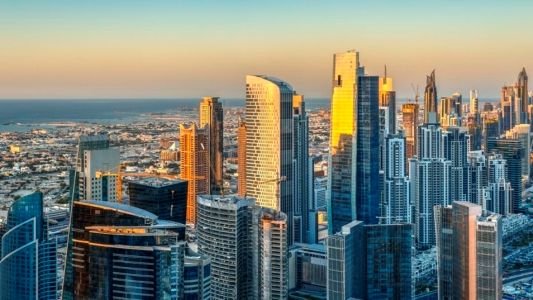
1. The Market Is Transitioning to a More Mature Phase
The overriding theme of UAE real estate in 2026 is measured growth replacing exceptional growth. According to Colliers’ UAE Real Estate Market Report for Q1 2026, the market has entered a transition period, moving beyond the exceptional momentum of 2025 toward a more measured, mature phase supported by strong fundamentals and ongoing infrastructure investment.
This is not a correction — it is a consolidation. Prices are still rising across most asset classes, but at a more controlled pace. The days of double-digit quarterly jumps are giving way to steadier, more predictable appreciation that is healthier for long-term market confidence.
2. Abu Dhabi — Steady, Balanced, and Building
Abu Dhabi’s real estate market is evolving toward a more balanced and sustainable growth trajectory, and the numbers support that picture. In Q1 2026, apartment sales prices recorded annual growth of 32 percent while villa prices rose 21 percent year-on-year — impressive figures that reflect genuine demand rather than speculative heat.
On the supply side, approximately 1,200 residential units were added in Q1 2026 alone, with a further 7,000 units scheduled for completion by year-end. Development activity reached record levels during the quarter, with 22 new projects added to the pipeline including nine branded residential schemes — a segment that continues to attract significant investor interest from both regional and international buyers.
The rental market in Abu Dhabi has also transitioned to a more measured environment, with citywide apartment averages rising 15 percent year-on-year while mid-end developments exceeded 20 percent growth — a clear signal that rental demand remains robust even as the pace normalises.
3. Dubai — Strong Foundations, Selective Growth
Dubai’s residential and commercial sales market maintained its growth trajectory throughout Q1 2026, though the period was marked by a notable shift in sector-specific demand. Average sales prices continued to trend upward across all monitored asset classes — including both off-plan and secondary markets — but the pace of growth moderated compared to the exceptional highs of 2024 and 2025.
Villa prices have been the standout performers over the broader cycle, with average freehold villa values having risen significantly since the pandemic era. Demand has remained strongest in established, low-density communities where limited supply and mature infrastructure support long-term value. Apartment prices have also strengthened, surpassing prior-cycle highs for the first time.
The office market was a particular bright spot, with sales demonstrating standout growth underpinned by a shortage of completed commercial units and a limited pipeline of Grade A specifications — a supply-demand imbalance that continues to favour sellers and landlords in the premium commercial segment.
4. The Northern Emirates — From Commuter Belt to Destination
One of the most compelling storylines of 2026 is the continued rise of the Northern Emirates as a genuine residential destination rather than simply an affordable alternative for those priced out of Dubai and Abu Dhabi. Sharjah, Ras Al Khaimah, Ajman, and Umm Al Quwain are all attracting increased attention from both end-users and investors who recognise their potential.
Sharjah led the Northern Emirates in newly launched units in Q1 2026 with approximately 1,700 units, followed by Ras Al Khaimah, Ajman, and Umm Al Quwain. The total Northern Emirates delivery pipeline for 2026 stands at approximately 12,000 units — a significant figure that reflects developer confidence in the region’s long-term appeal.
Apartment rental prices in Sharjah and Ras Al Khaimah recorded marginal quarterly increases of 1 to 2 percent, while rents in Ajman, Fujairah, and Umm Al Quwain remained broadly stable — making these markets some of the most accessible and affordable residential options in the country.
5. Off-Plan Remains Dominant, Secondary Market Softens
The off-plan segment continues to drive a substantial share of transaction volumes across the UAE, particularly in Dubai. Off-plan transaction volumes remained closely linked to the frequency of new project launches and registration timelines throughout Q1. Meanwhile, activity for completed units across both apartments and villas declined on a quarterly basis — a trend worth monitoring for those invested in the secondary market.
This dynamic reflects a broader investor preference for entry-level pricing, flexible payment plans, and the potential for capital appreciation over the construction period. Developers have responded with a steady flow of new launches, keeping pipeline momentum strong.
6. Rental Market — Rising but Stabilising
Across the UAE, the rental market is showing signs of gradual stabilisation after years of sharp increases. While rents are still rising year-on-year — particularly in Abu Dhabi and mid-market Dubai — the pace of growth is slowing. This offers some relief for tenants who have faced significant annual increases over the past three years, and signals a more occupier-friendly environment emerging across the market.
In Al Ain, average apartment rents rose 7 percent year-on-year while villa rents climbed 2 percent — reflecting steady, locally driven demand that is characteristic of that market’s more conservative growth pattern.
7. Quality and Location Are Driving Value More Than Ever
Perhaps the most significant structural shift in the 2026 UAE real estate market is the growing importance of asset quality and submarket dynamics. Not all locations are performing equally, and not all property types are benefiting from the same tailwinds. Premium, well-located, high-specification properties are outperforming generic stock, and investors who understand this distinction are positioning themselves accordingly.
This quality-driven divergence is likely to define the market for years to come — rewarding thoughtful investment decisions and penalising undifferentiated product in oversupplied locations.
Final Thoughts
The UAE real estate market in 2026 is a story of confidence maturing into competence. The frenetic pace of the post-pandemic boom has given way to something more considered, more strategic, and ultimately more sustainable. For buyers, it is a market that rewards research and patience. For investors, it is one that continues to offer compelling returns — provided the right assets in the right locations are chosen. For tenants, there are early signs of breathing room ahead.
The fundamentals remain strong. The direction remains forward.
Frequently Asked Questions (FAQs)
Q1. Is the UAE real estate market still growing in 2026?
A: Yes, the market continues to grow but at a more measured pace. According to the Colliers Q1 2026 report, sales prices are rising across all major asset classes in both Abu Dhabi and Dubai, though the exceptional momentum of 2025 is transitioning into a more stable, sustainable growth phase.
Q2. Is now a good time to buy property in the UAE?
A: Market conditions remain broadly favourable for buyers, particularly in the off-plan segment which continues to offer competitive entry prices and flexible payment plans. However, performance varies significantly by location and asset type, so thorough research and professional advice are essential before committing to any purchase.
Q3. Which UAE emirate offers the best real estate value in 2026?
A: The Northern Emirates — particularly Sharjah and Ras Al Khaimah — offer some of the strongest value propositions in 2026, combining affordability with improving infrastructure and quality of life. Abu Dhabi remains attractive for those seeking stability and long-term capital growth.
Q4. Are rental prices still rising in the UAE in 2026?
A: Rents are still rising year-on-year but the pace is moderating. Abu Dhabi apartment rents rose 15 percent annually in Q1 2026, while Northern Emirates markets such as Ajman and Fujairah remained broadly stable — offering relief for budget-conscious tenants.
Q5. What is driving demand in the UAE property market in 2026?
A: Key demand drivers include continued population growth, sustained inbound migration, strong economic fundamentals, infrastructure investment, and the UAE’s favourable tax environment. End-user demand has also increased significantly since 2021, reducing the market’s reliance on short-term speculative activity.
Q6. What types of properties are performing best in 2026?
A: Villas and townhouses continue to outperform apartments in most markets, supported by limited supply and strong end-user preference for space and privacy. Grade A commercial offices are also performing well due to a shortage of quality completed stock across the country.