



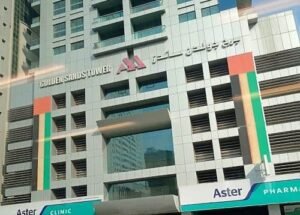
The UAE is famous for its free zone hubs — special economic areas designed to make starting and growing a business easier. Today, there are over 40 free zones across the country, each with its own set of perks, costs, and ideal industries. These zones are one of the main reasons entrepreneurs from around the world choose the UAE to launch startups. They offer 100% foreign ownership, attractive tax benefits, streamlined setup, and access to regional and global markets — a combination few other countries can match.
But with so many choices, it can be tough to know where to begin. In 2026, some free zones continue to outperform others for startups, based on credibility, costs, infrastructure, and community support. Below, we break down the most popular and strategic free zones that early-stage founders should seriously consider.
What Makes a Free Zone Startup-Friendly?
Before we list the top options, it helps to know what makes a free zone right for a startup:
- Affordability: Lower setup and renewal costs help preserve capital in early stages.
- Speed: Quick license approvals let founders begin operations fast.
- Flexibility: Ability to add business activities or upgrade office space without complicated restructuring.
- Credibility: Well-known free zones can improve your brand image and make banking easier.
- Ecosystem: Startups benefit from co-working spaces, events, mentors, and investor networks.
These factors shape where startups choose to set up in 2026.
1. Dubai Multi Commodities Centre (DMCC)
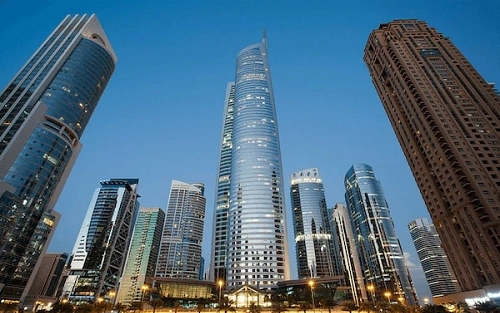
Often described as the “gold standard” for free zones in the UAE, DMCC is a powerful choice for startups in trade, tech, fintech, commodities, and professional services.
- Pros: Excellent global reputation, strong business community, premium infrastructure.
- Best for: Fintech, trading platforms, commodity tech, blockchain, and scalable startups.
- Why it stands out: DMCC attracts heavy investor attention and can make funding conversations smoother for startups.
If credibility and network access are priorities, DMCC is hard to beat — even if setup costs are higher than some alternatives.
2. International Free Zone Authority (IFZA)
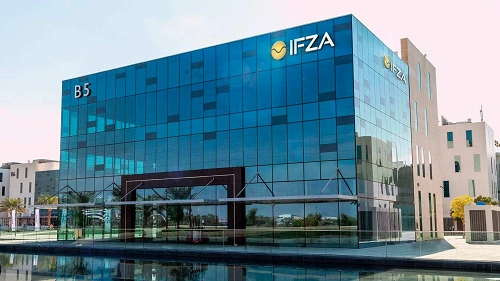
IFZA is one of the fastest-growing and most founder-friendly free zones in the UAE, especially for smaller teams, consultants, and service startups.
- Pros: Lower entry costs, flexible activity options, quick approvals.
- Best for: E-commerce, consulting, digital services, SMEs.
- Why it’s attractive: IFZA combines affordability with access to Dubai’s broader economy.
Founders who want a balance between cost and opportunity often start here and scale into larger ecosystems later.
3. Abu Dhabi Global Market (ADGM)
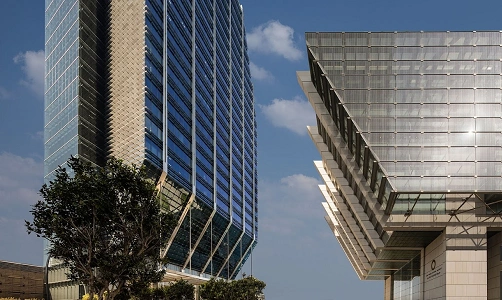
Located in the UAE capital, ADGM stands out for startups in finance, fintech, and professional services. It operates on English common law and has seen strong growth in registered entities, especially in financial sectors.
- Pros: Strong legal framework, growing entrepreneurial ecosystem, strategic financial connections.
- Best for: Fintech, asset management, compliance tech, and financial services startups.
- Why consider it: If your business wants deeper access to investors and financial markets, ADGM’s structure can be a significant advantage.
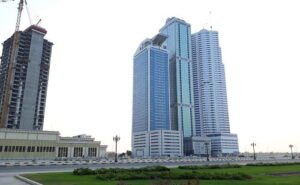
4. Sharjah Media City (SHAMS)
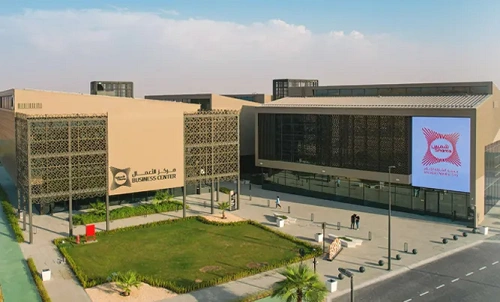
SHAMS is known for being one of the most cost-effective free zones in the UAE. It’s especially welcoming for creative businesses, content creators, and small digital ventures.
- Pros: Extremely affordable setup costs, flexible licensing, fast approval.
- Best for: Media, social media agencies, consultants, freelancers.
- Why it appeals: SHAMS lets you test a business idea without heavy upfront costs.
On a tight budget, this free zone is often the first stop for many founders.
5. Meydan Free Zone
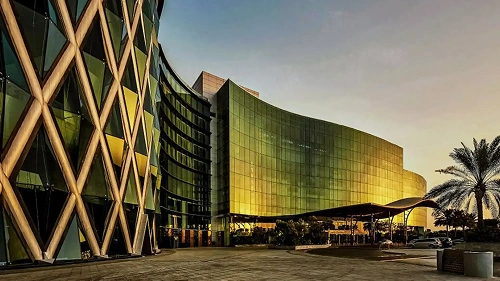
Meydan Free Zone has gained traction as a lean and fast option for startups that want a Dubai address without big expenses.
- Pros: Quick setup, virtual or physical office options, support services.
- Best for: Digital startups, e-commerce brands, consultants.
- Why it matters: With startup packages suited for small teams, Meydan blends cost-efficiency with access to Dubai’s market.
6. Ras Al Khaimah Economic Zone (RAKEZ)
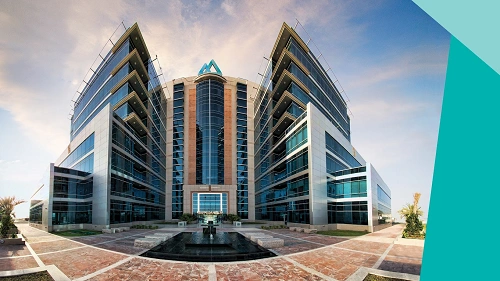
RAKEZ is one of the most versatile free zones in the UAE, balancing cost, space options, and growth potential.
- Pros: Budget-friendly, flexible office and warehouse options, SME-focused services.
- Best for: Trade businesses, manufacturing startups, e-commerce operations.
- Why startups like it: You can scale from a small desk to larger industrial operations within the same zone.
7. Dubai South Free Zone
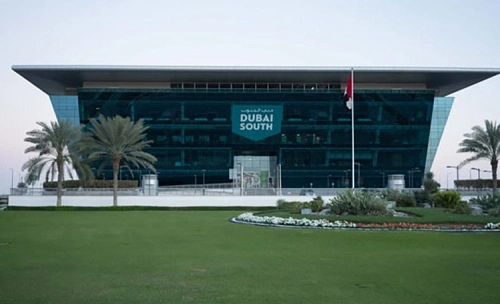
This free zone is ideal for startups focused on logistics, aviation-related services, and broader global connectivity. It has proximity to the Dubai World Central airport and strong infrastructure for businesses that rely on movement of goods and people.
- Pros: Excellent logistics links, modern facilities.
- Best for: Logistics, aviation tech, large-scale e-commerce.
Choosing What Fits Your Startup
There’s no single “best” free zone for every startup. The right choice depends on:
- Your industry and target market
- Budget and visa needs
- Whether you want prestige or cost efficiency
- Your long-term growth plan
Affordable options help founders launch without heavy capital. Premium zones offer networks and credibility that can support funding and partnerships. The UAE’s ecosystem keeps evolving, so making a choice based on your business reality — not just popularity — will pay off as you grow.
Start with your business goals first. Then match them to the free zone that supports them best. That’s how you set your venture up for success in 2026 and beyond.