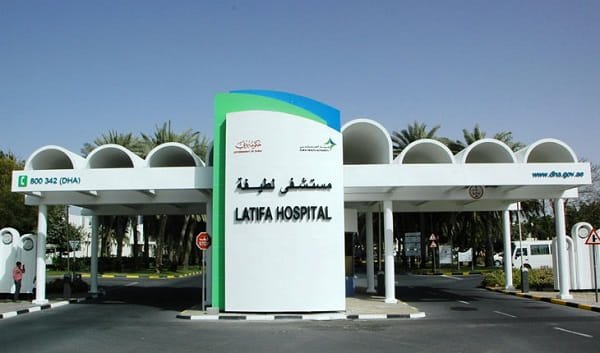








If you are living in the United Arab Emirates (UAE), you may have come across terms like DHA, HAAD, and MOHAP while dealing with hospitals, doctors, or health insurance. These are healthcare regulatory authorities that govern medical services across different emirates.
For UAE residents—especially expats—understanding the difference between DHA, HAAD, and MOHAP is essential for choosing hospitals, doctors, and insurance plans correctly.
This guide explains everything in simple terms.
What Is DHA (Dubai Health Authority)?
The Dubai Health Authority (DHA) is the main body responsible for regulating healthcare services in Dubai.
Key Responsibilities of DHA:
- Licensing doctors, nurses, and medical professionals in Dubai
- Regulating public and private hospitals and clinics
- Managing government hospitals and health centres
- Overseeing health insurance policies in Dubai
- Ensuring patient safety and service quality
Who Should Care About DHA?
- Residents living in Dubai
- Patients using Dubai-based hospitals or clinics
- Medical professionals seeking to work in Dubai
What Is HAAD (Now DOH Abu Dhabi)?
HAAD stands for Health Authority – Abu Dhabi, but it is now officially known as the Department of Health – Abu Dhabi (DOH).
Key Responsibilities of DOH (Formerly HAAD):
- Regulating healthcare services in Abu Dhabi
- Licensing healthcare professionals and facilities
- Managing mandatory health insurance system
- Monitoring healthcare quality and compliance
Who Should Care About HAAD / DOH?
- Residents of Abu Dhabi
- Expats covered under Abu Dhabi health insurance
- Doctors and healthcare workers planning to work in Abu Dhabi
Important Note:
The term HAAD is still commonly used, but DOH is the official name today.
What Is MOHAP (Ministry of Health and Prevention)?
The Ministry of Health and Prevention (MOHAP) is a federal authority that governs healthcare in the Northern Emirates and also sets nationwide healthcare policies.
Emirates Covered by MOHAP:
- Sharjah
- Ajman
- Umm Al Quwain
- Ras Al Khaimah
- Fujairah
Key Responsibilities of MOHAP:
- Licensing healthcare professionals in Northern Emirates
- Managing government hospitals and clinics
- Setting national health policies and standards
- Overseeing public health programs and prevention initiatives
DHA vs HAAD vs MOHAP: Quick Comparison Table
| Feature | DHA | HAAD (DOH) | MOHAP |
| Full Form | Dubai Health Authority | Health Authority – Abu Dhabi | Ministry of Health and Prevention |
| Governing Area | Dubai | Abu Dhabi | Northern Emirates |
| Role | Emirate-level regulator | Emirate-level regulator | Federal health authority |
| Insurance Control | Dubai health insurance | Abu Dhabi mandatory insurance | Limited |
| Licenses Issued | Dubai-based | Abu Dhabi-based | Northern Emirates |
| Common Users | Dubai residents | Abu Dhabi residents | Residents outside Dubai & Abu Dhabi |
Why These Authorities Matter for UAE Residents
Understanding these healthcare bodies helps you:
- Choose the right hospital or clinic
- Ensure your health insurance is valid
- Avoid licensing or insurance-related issues
- Access healthcare services smoothly
For example:
- A DHA license is valid only in Dubai
- A HAAD/DOH license works only in Abu Dhabi
- A MOHAP license applies to Northern Emirates
Which One Applies to You?
- If you live in Dubai → DHA rules apply
- If you live in Abu Dhabi → DOH (HAAD) rules apply
- If you live in Sharjah or other Northern Emirates → MOHAP rules apply
Your residency visa, workplace location, and insurance provider usually determine which authority governs your healthcare.
Final Thoughts
The UAE healthcare system is highly organised, with DHA, HAAD (DOH), and MOHAP working together to maintain world-class medical standards across the country. While their roles differ by region, all three aim to ensure safe, regulated, and high-quality healthcare for residents and visitors.
Knowing the difference between DHA vs HAAD vs MOHAP allows UAE residents to make informed decisions about hospitals, insurance, and medical services.