







Yes, Forex trading is legal in the UAE, but the rules and regulations are a little bit different compared to some other nations around the globe. So, before you jump into it and start trading or a proper trading business, it is better to get to know the rules and laws, so that you always stay on the right side of things.
So, What Exactly Is Forex Trading?
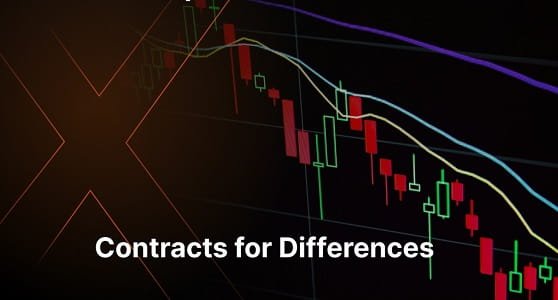
One currency is bought while another is sold simultaneously when trading Forex. For instance, if you think the Euro is going to rise in value, you would buy Euros and sell US Dollars. The reason people trade forex is to profit from the changes in currency prices.
There is no single, physical place where forex trading occurs. All that trading is done through online trading platforms that brokers offer. Because different global markets open and close at different times, the forex market is open 24 hours a day, five days a week. This is one of the main reasons why forex trading is so popular in the UAE, where traders can trade practically any time.
Trading for Yourself vs Running a Forex Business
Trading for yourself and running a forex business are two very different things.
If you are trading with your own money, you don’t have to be licensed. You can simply choose a regulated broker and trade without restrictions. This is the case for both nationals and expats in the UAE.
On the other hand, if you are interested in running a forex business, managing funds of others, or providing trading services, you will need a license. It is illegal to conduct a forex business without the proper authorization in the UAE. These two things are often mixed up by many, so grasping this difference is quite essential.
Who Regulates Forex Trading in the UAE?
There are official regulatory authorities that control forex trading in the UAE.
On the mainland UAE, the Securities and Commodities Authority (SCA) is the main body that oversees the regulation of forex brokers and financial activities.
In financial free zones:
- DIFC (Dubai International Financial Centre) is regulated by the Dubai Financial Services Authority (DFSA)
- ADGM (Abu Dhabi Global Market) is regulated by the Financial Services Regulatory Authority (FSRA)
These regulators make sure brokers follow strict rules, protect client funds, and operate transparently.
Do You Need a License to Trade Forex Personally?
Usually, trading forex by yourself doesn’t necessitate you having a license.
Forex trading for your own account is generally regarded as any other form of personal investment such as stocks or commodities. Your only obligation is that the broker you choose must be a licensed or approved one in the UAE.
This is the main reason why forex trading is readily available in the UAE. You can create an account, deposit a small amount, and even familiarize yourself with a demo account without facing any legal problems.
When Is a Forex License Required?
A forex license is required only if you plan to:
- Run a forex brokerage
- Manage money for other people
- Offer paid trading services or signals
- Operate a trading platform
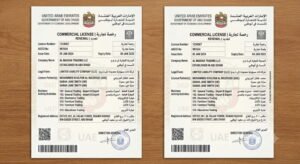
Therefore, the business needs to be registered and get approval from the competent authority in the UAE. Various locations, such as the mainland UAE, DIFC, ADGM, or free zones like DMCC have separate rules and costs for licensing.