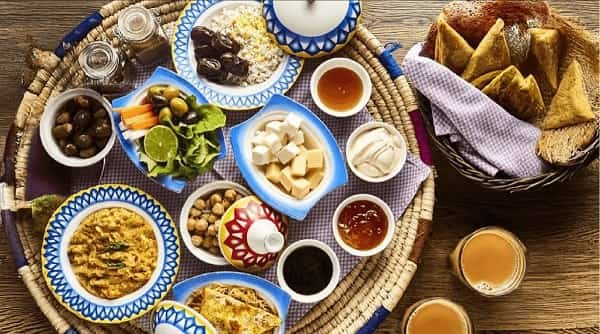





Close your eyes for a moment and imagine standing in the heart of old Dubai — the scent of cardamom drifting through the warm Gulf breeze, the crackling sound of flatbread fresh off an open flame, and the sight of a generously laden table where strangers are welcomed like family. That is the UAE at its most authentic. Long before skyscrapers kissed the clouds and luxury malls redefined retail, the Emirates was a land of Bedouin resilience, pearl divers, and merchants — and its food has quietly preserved every chapter of that extraordinary story.
Emirati cuisine is one of the most underrated culinary treasures in the Arab world. Rooted in the traditions of desert living and coastal abundance, it draws on a rich palette of spices — saffron, turmeric, dried limes, and cinnamon — alongside staples like rice, lamb, fish, and dates. It is food built for hospitality, designed to be shared, and perfected over generations. Whether you are a curious tourist, a long-term expat, or simply someone who believes that the best way to understand a culture is through its food, this list is your essential guide.
Here are the top 10 traditional Emirati foods you absolutely must try.
1. Machboos (Kabsa)
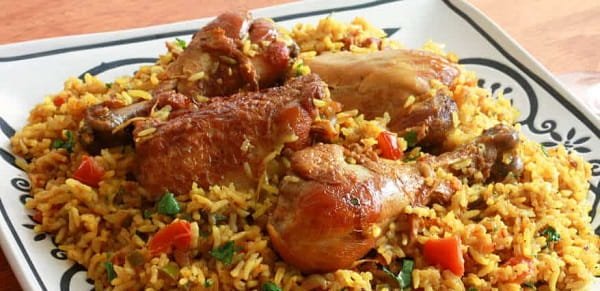
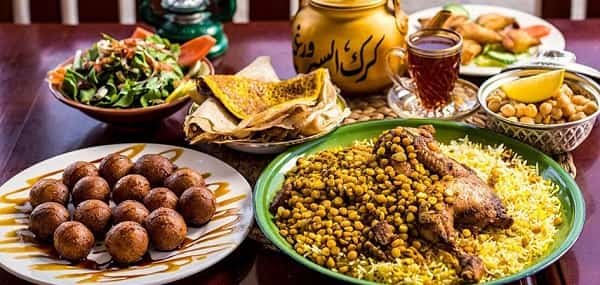
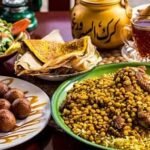
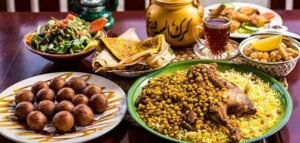
If there is one dish that defines Emirati identity, it is Machboos. This slow-cooked spiced rice dish, prepared with either lamb, chicken, or fish, is the undisputed king of the Emirati dining table. The rice is infused with a deeply aromatic blend of loomi (dried black lime), saffron, cardamom, and rose water, creating layers of flavour that are both comforting and complex. Often served at family gatherings and festive occasions, Machboos is not just a meal — it is an experience.
2. Harees
A dish of profound simplicity and soul, Harees is made from just two core ingredients: wheat and meat, slow-cooked together until they form a smooth, porridge-like consistency. What sounds humble on paper is, in practice, deeply satisfying — particularly during Ramadan and Eid celebrations when it graces nearly every Emirati home. Drizzled with ghee and a pinch of cinnamon, Harees is the culinary equivalent of a warm embrace.
3. Luqaimat
No visit to the UAE is complete without indulging in Luqaimat — golden, bite-sized dumplings fried to crispy perfection and drizzled generously with date syrup and sesame seeds. These little pockets of joy are a beloved street food and a Ramadan staple. Light on the outside, soft on the inside, and sweet enough to satisfy any craving, Luqaimat are dangerously addictive. You will never stop at just one.
4. Al Harees bil Dijaj (Chicken Harees)
A beloved variation of the classic Harees, the chicken version offers a slightly lighter texture while retaining all the warmth and heartiness of the original. Commonly served at weddings and national celebrations, this dish speaks to the Emirati tradition of feeding guests abundantly and generously.
5. Balaleet
A uniquely Emirati dish that beautifully bridges the line between sweet and savoury, Balaleet consists of sweetened vermicelli noodles flavoured with saffron, cardamom, and rose water, served alongside a lightly spiced omelette. Traditionally enjoyed as a breakfast or light evening meal, Balaleet is a reminder that Emirati cuisine is never afraid to be pleasantly surprising.
6. Madrooba
Once a staple of pearl-diving communities along the Gulf coast, Madrooba is a slow-cooked fish dish prepared with a distinctive spice paste and beaten to a smooth, creamy consistency. Its coastal roots give it a character entirely its own — bold, aromatic, and deeply connected to the seafaring heritage of the Emirati people. Today, it is considered a cherished heritage dish and is harder to find, which makes discovering it all the more rewarding.
7. Saloona
Think of Saloona as the Emirati answer to a hearty stew. Made with meat or fish and a colourful array of vegetables — tomatoes, potatoes, courgette — simmered in a spiced tomato-based broth, Saloona is everyday comfort food at its finest. It is typically served alongside plain white rice and is a fixture in Emirati households throughout the week. Simple, nourishing, and full of flavour.
8. Khameer Bread
No Emirati meal is truly complete without bread, and Khameer is the most beloved of them all. This slightly sweet, soft, and fluffy flatbread — leavened with yeast and often flavoured with saffron or turmeric — is baked in traditional clay ovens and served warm. Pair it with date syrup and cream cheese for a breakfast combination that will ruin all other breakfasts for you permanently.
9. Al Jabab Bread
Thinner and crispier than Khameer, Al Jabab is a delicate flatbread cooked on a domed griddle and served with honey or cream. It is a popular choice during traditional Emirati breakfasts and afternoon gatherings with tea. Its subtle sweetness and paper-thin texture make it a delightful contrast to the richer dishes on this list.
10. Dates & Arabic Coffee (Qahwa)
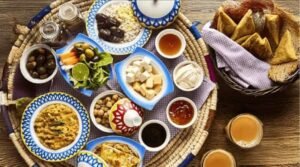
No list of Emirati food would be honest without acknowledging the most iconic pairing in Gulf culture — dates and Qahwa. Arabic coffee, lightly brewed with cardamom and saffron, served in a delicate handle-less cup alongside a selection of premium Emirati dates, is not merely a refreshment. It is a ritual of welcome, respect, and connection. In the UAE, offering Qahwa to a guest is one of the highest expressions of hospitality. To receive it is an honour.
FAQS Top 10 Traditional Foods in the UAE You Must Try
Q1. What is the national dish of the UAE?
A: Machboos is widely regarded as the UAE’s national dish. This slow-cooked spiced rice prepared with lamb, chicken, or fish is a staple at every Emirati family table and celebration.
Q2. Are traditional Emirati foods spicy?
A: Not typically. Emirati cuisine is aromatic rather than hot, relying on warm spices like cardamom, saffron, turmeric, and dried lime for flavour. It is rich and fragrant without the intense heat found in some neighbouring cuisines.
Q3. Where can tourists try authentic traditional Emirati food?
A: Look for Emirati restaurants and heritage dining spots such as Al Fanar in Dubai, Sheikh Mohammed Centre for Cultural Understanding, and traditional food stalls in Sharjah’s Heart of Sharjah district.
Q4. Is traditional Emirati food halal?
A: Yes, all traditional Emirati food is halal by nature. Pork and alcohol are never used in authentic Emirati cooking, making it suitable for Muslim diners and those seeking halal-certified meals.
Q5. Are dates really that important in Emirati food culture?
A: Dates are absolutely central to Emirati culture — always served with Arabic coffee to welcome guests. The UAE produces dozens of premium date varieties and gifting dates is a deeply rooted tradition of hospitality.
Q6. Can vegetarians enjoy traditional Emirati cuisine?
A: Some dishes like Balaleet, Khameer bread, Luqaimat, and date-based sweets are vegetarian-friendly. However, Emirati cuisine is largely meat and fish based, so options may be limited compared to other cuisines.